08/10/2026
More Than 10,000 Tons of Foreign-Standard Section Steel from Shandong Steel Support Overseas Engineering Construction
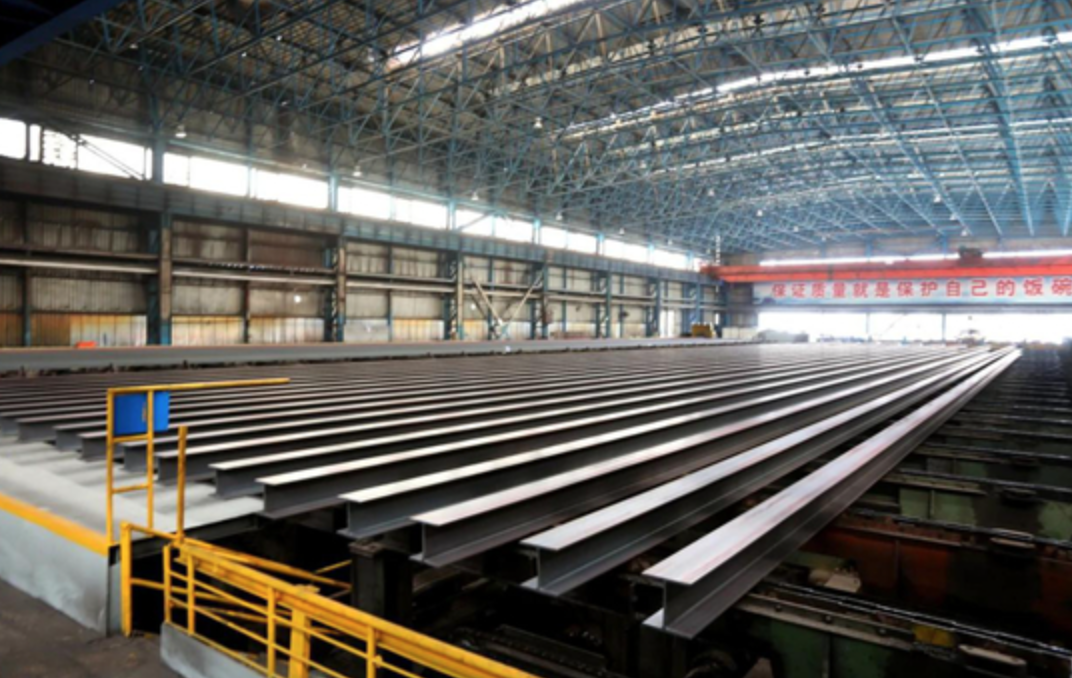
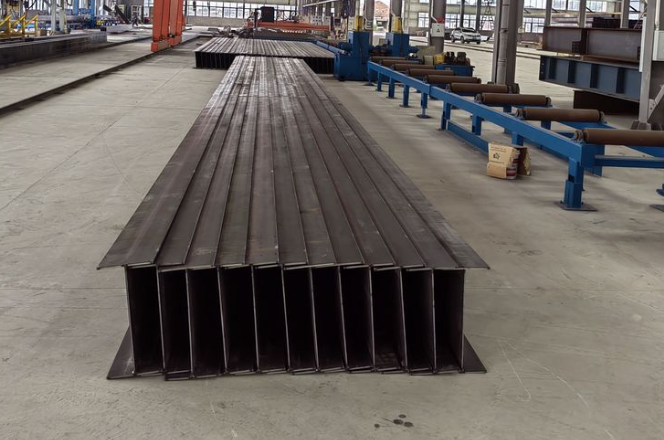
Recently, Shandong Steel's Marketing Department won a bid for more than 10,000 tons of H-beams for a key salt chemical engineering project in the Middle East.
Read More
17/09/2026
Shandong Steel's section steel plant successfully trial-rolled HE600M European standard wide-flange high-strength H-beams
Recently, HE600M European standard high-strength H-beams were successfully trial-rolled on a large production line at Shandong Steel's section steel plant.
04/08/2026
Mingguang Industrial Company’s Double-Sided Indented Steel Wire Successfully Enters Overseas Market
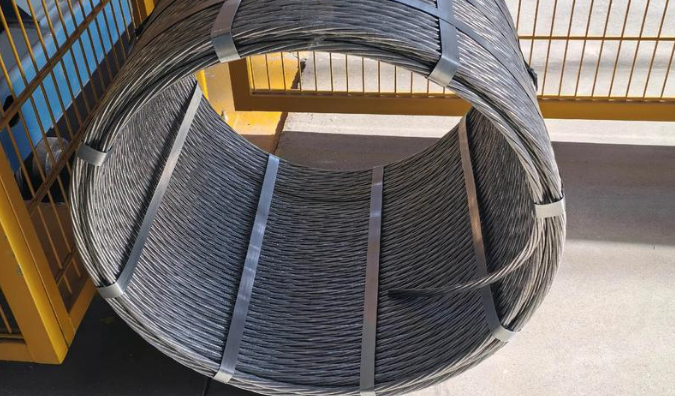
Recently, 8.46 tonnes of 4.0/5.0 double-sided indented steel wire, produced by the Metal Products Division of Mingguang Industrial Company, were successfully delivered to a customer in Thailand.
15/07/2026
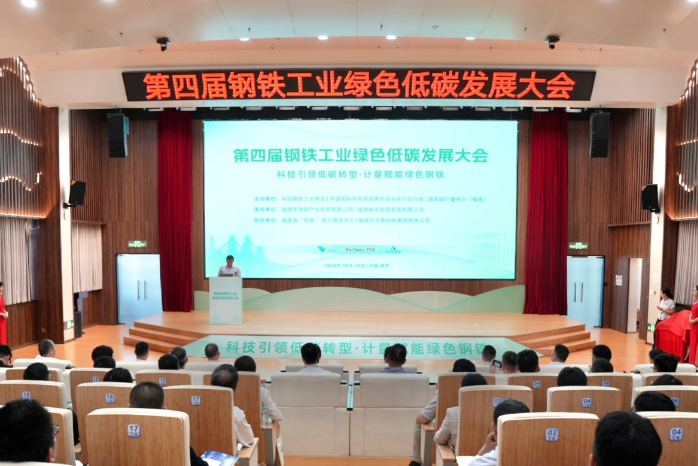
The 4th Conference on Green and Low-Carbon Development in the Steel Industry Was Held in Nanping, Fujian
The 4th Conference on Green and Low-Carbon Development in the Steel Industry was held in Nanping. At the conference, the EPD Platform Development Report and a series of carbon emission factor standards were released.
16/06/2026
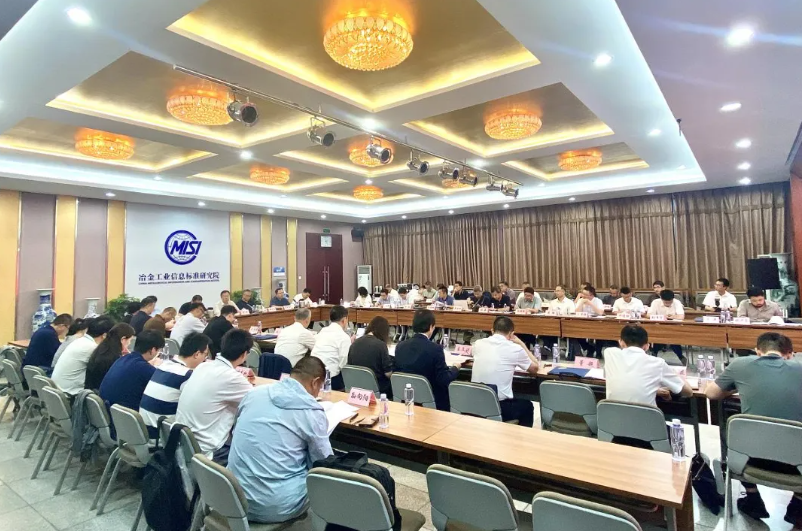
Launch meeting for the mandatory national standard on ‘Hot-rolled H-section steel for building structures’ held in Beijing
Work has officially commenced on drafting China’s first mandatory national standard for hot-rolled H-section steel used in building structures. The standard aims to establish a robust foundation for quality and safety.
26/05/2026
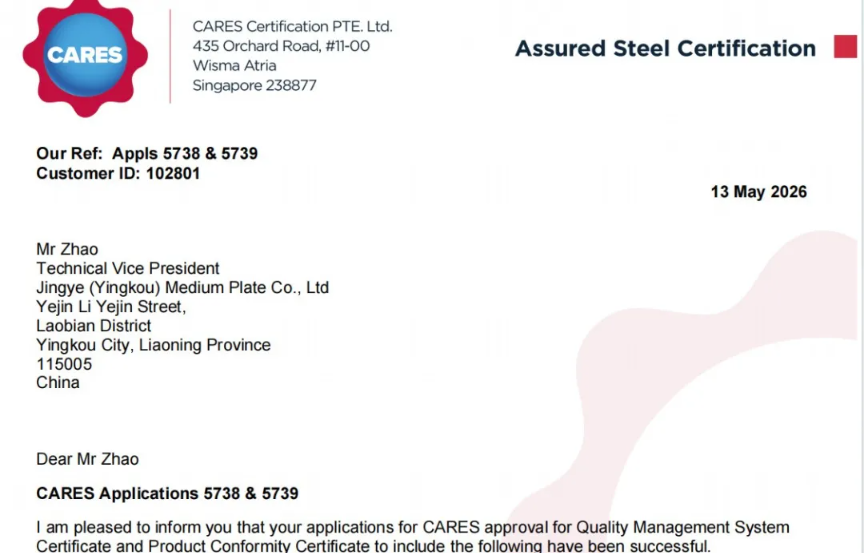
Jingye (Yingkou) Medium Plate Successfully Passed the British Standard CARES Certification
Recently, Jingye (Yingkou) Medium Plate wire rod products successfully passed the CARES audit and obtained the foreign trade export product qualification certificate.
19/03/2026
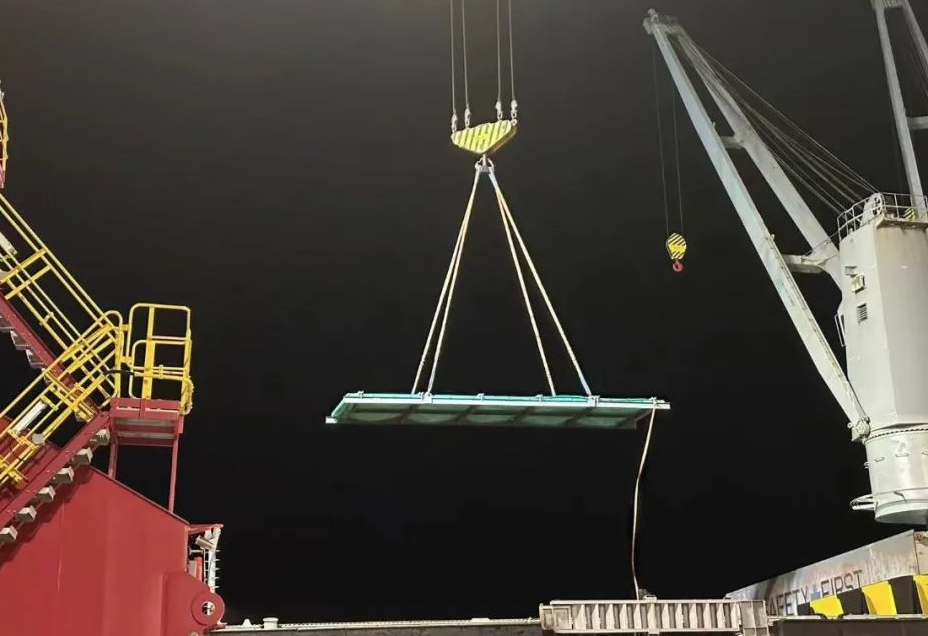
Shandong Steel's Cryogenic Container Steel is Used in a Large Oil Refinery Storage Tank Project in Algeria
Recently, Shandong Steel won a bid for a storage tank project at a large oil refinery in Algeria.

When selecting a surface treatment for fasteners, consider the following:
1. Environment: Dry indoor conditions → electro-galvanizing or black oxide; humid outdoor conditions → hot-dip galvanizing or thermal diffusion galvanizing (zinc diffusion); high salt-spray environments, automotive, or chemical industries → zinc-nickel alloy or Dacromet/zinc-aluminum coatings.
2. Strength and hydrogen embrittlement: Electro-galvanizing is suitable for strength grades below 8.8; for grades 10.9 and above, avoid acid pickling and electroplating—prefer Dacromet, mechanical galvanizing, or zinc-aluminum coatings; if electroplating is used, a de-hydrogenation process is mandatory.
3. Threads and assembly: Hot-dip galvanized coatings are thick, requiring tolerance allowances or post-plating thread tapping; if torque specifications apply, clearly define the friction coefficient and lubrication requirements.
4. Application and cost: Preparation for painting → phosphating; stainless steel → passivation; decorative/wear-resistant → chrome or nickel plating.
Selecting a flange involves balancing operating conditions, connection requirements, and costs.
1. Determine operating parameters
Define the design pressure, design temperature, fluid characteristics (corrosivity, toxicity), and nominal diameter (DN). Note: A flange's allowable working pressure decreases as temperature rises; selection must be based on the pressure rating at the design temperature.
2. Select the flange type
Plate-type slip-on flange (PL): Lowest cost; used for low-pressure, ambient-temperature applications without strict requirements (e.g., water pipes with PN ≤ 16).
Slip-on flange with hub (SO): Strength is slightly superior to PL; used for low-to-medium pressure piping.
Weld-neck flange (WN): High strength; used for hazardous conditions involving high pressure, high temperature, or flammable/explosive media (e.g., PN ≥ 40 or Class 300 and above).
Socket-weld flange (SW): Used for small-diameter, high-pressure piping (DN ≤ 40).
Threaded flange (Th): Used for small-diameter piping where welding is prohibited or frequent disassembly is required.
3. Select the sealing face type
Raised Face (RF): Most common; suitable for low-to-medium pressure and general media.
Male-Female (MFM) / Tongue-and-Groove (TG); Ring Joint (RJ/RTJ).
4. Select the pressure rating
Domestic standards typically use PN (e.g., PN16, PN40), while US standards use Class (e.g., 150, 300). Ensure the flange's maximum allowable working pressure at the operating temperature is greater than or equal to the design pressure.
5. Select the material
Carbon steel (e.g., 20#, A105): Low cost; used for ambient temperature, low pressure, and non-corrosive media.
Stainless steel (e.g., 304, 316L): Corrosion-resistant; used in corrosive environments such as chemical processing and pharmaceuticals.
Alloy steel (e.g., 15CrMo): Used for high-temperature, high-pressure steam and thermal piping networks.
6. Select the standard system
National Standard (GB) / Ministry of Chemical Industry Standard (HG): Commonly used for domestic projects. ASME Standards (ASME B16.5/B16.47): Commonly used in international projects or for US-manufactured equipment; note that dimensions may not be interchangeable with those of Chinese national standard (GB) flanges.
7. Matching Gaskets and Fasteners
Gaskets must be selected based on temperature, pressure, and the medium: rubber gaskets for low-temperature water or steam service, spiral-wound gaskets for high-temperature and high-pressure applications, and metal ring-joint gaskets for high-pressure, severe service conditions. Bolt strength must match the flange rating.
Flange selection is a systematic engineering decision-making process that requires careful consideration of operating parameters, standards and specifications, and material compatibility. Standardized procurement and selection processes can avoid assembly errors and safety hazards.
1. Define the basic parameters and confirm the nominal dimensions. Accurate data needs to be obtained from the design documents to match the diameter of the connected pipes or equipment. At the same time, the additional forces or bending moments caused by the pipeline's own weight, thermal expansion, earthquakes, etc. must be considered. These factors will complicate the flange design, and if necessary, the pipe load should be converted into equivalent pressure for selection.
2. Select a flange standard system. The standard system determines the flange size, pressure rating, and marking method. Select the appropriate rating (e.g., Class 75, 150, 300, 400, 600, or 900) based on actual temperature and pressure conditions. If the project involves the American standard system, then ASME B16.5 should be referred to.
3. Confirm the flange type. Select weld neck flanges for pipe connections and blind flanges for end sealing and isolation. The flange type mainly depends on the pressure rating, pipe size, and operating conditions. For specific selection, please refer to the Complete List and Selection Reference of Industrial Pipe Fittings.
4. Confirm the flange material. The flange material must be compatible with the pipe material, medium, and design temperature.
5. Confirm sealing and connection requirements. Determine the flange end face (RF/FF/RTJ), gasket type, and bolt configuration; verify the availability of the selected NPS, grade, and series of RTJ.
6. Select matching bolts and gaskets. Match materials to the medium, temperature, and corrosion conditions.
When selecting a flange, ensure that its strength rating matches the pipeline and strictly verify the rated values according to the design temperature and pressure.
Chemical composition and mechanical properties of wear-resistant steel plates
C: Improves hardness and wear resistance, but too much carbon will reduce toughness and weldability.
Mn: Improves hardenability and strength, and aids in wear resistance.
Cr, Mo, Ni: improve hardenability, enabling thick plates to achieve high hardness.
P and S: harmful impurities; the lower the better, especially affecting toughness and weldability.
China Steel Market
Empowering small and medium-scale steel purchasing
Hot search words:
China Rebar prices China Wire Rod Prices Welded Steel Pipe Prices