

07/01/2026
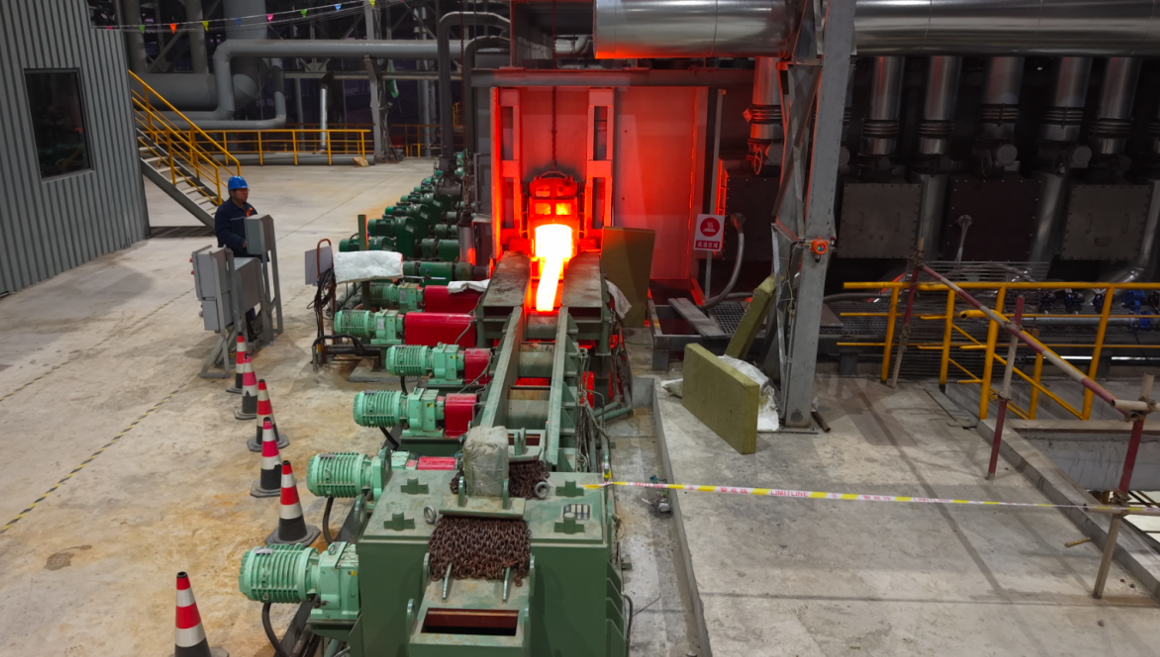
Xingtai Iron and Steel's relocation project achieved the first successful hot rolling of large-coil production lines, marking a key advancement in its transformation and upgrading toward high-end special steel using China's first domestically developed green short-process technology. This milestone will serve as a model for regional industrial clusters and high-quality development within the sector.
04/01/2026
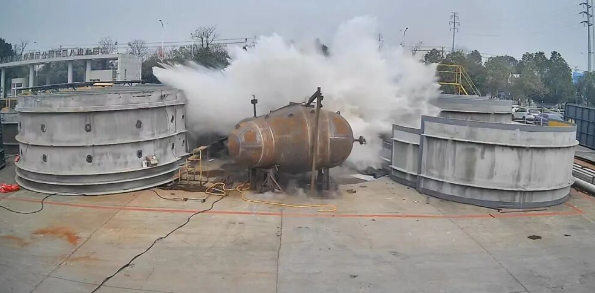
Xingcheng Special Steel, in collaboration with multiple institutions, has successfully passed the evaluation of simulated engineering application tests for 1000 MPa-grade high-strength steel for hydropower projects, verifying its outstanding performance. The company has achieved industrial-scale production of an integrated “steel plate + welding material” solution, providing critical material support for China's super-large hydropower projects.
30/12/2025
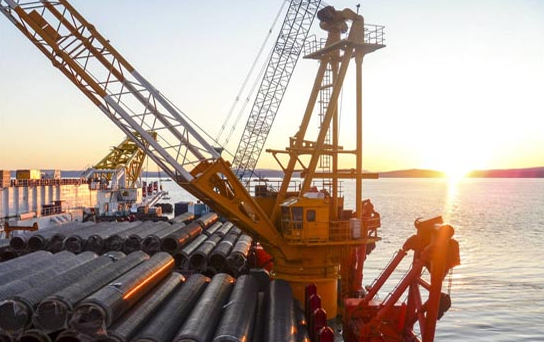
HBIS Tangsteel has successfully supplied high-end customized pipeline steel in bulk for major water conveyance projects in Belt and Road countries. Through outstanding product performance and comprehensive end-to-end services, the company has demonstrated its technological prowess and market competitiveness in the high-end steel sector.
26/12/2025
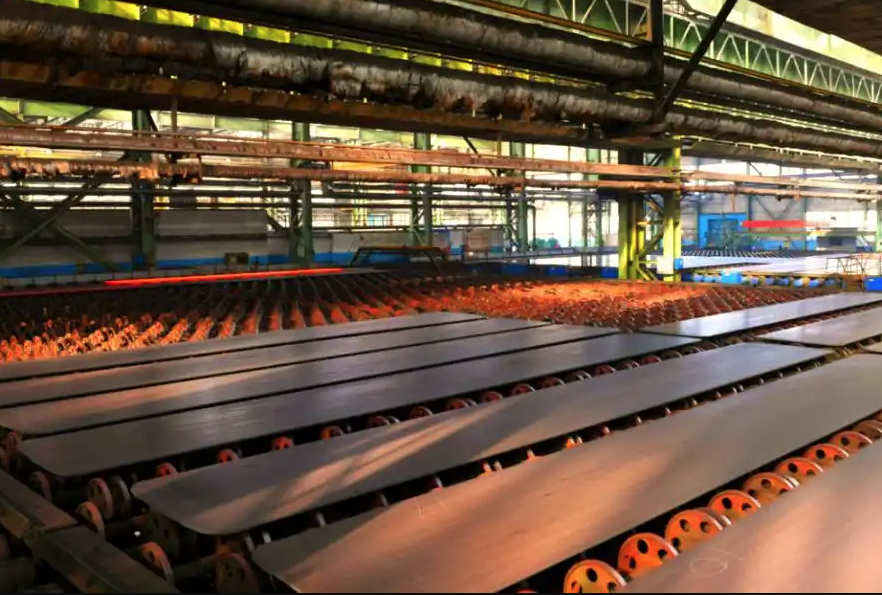
100mm! JISCO Successfully Produces Extra-thick Wide Plates.
Recently, JISCO's heavy plate production area successfully rolled a 100×2200×8000mm Q355B extra-thick wide plate, reaching the production line's maximum design thickness.
18/12/2025
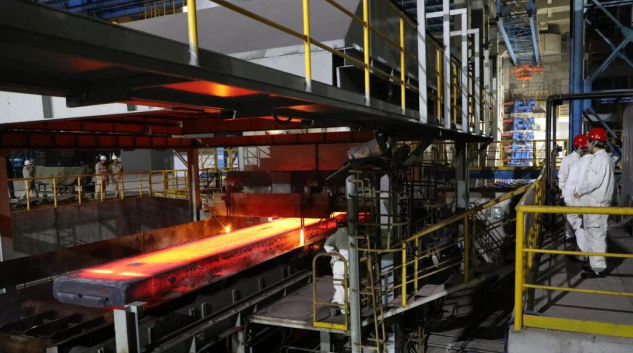
Henan Iron and Steel Group's Zhoukou Base Successfully Rolls 460mm Extra-Thick Slab
Henan Iron and Steel Group's Zhoukou Base has successfully produced 460-millimeter ultra-thick slabs, achieving a major breakthrough in the full-process technology for ultra-thick slabs. This advancement significantly enhances the Group's competitiveness in the steel sector for heavy equipment manufacturing.

17/12/2025
Recently, Bao Gang United Steel's Rare Earth Steel Plate Plant achieved continuous casting production of two high-grade, top-tier non-oriented silicon steel products for the first time.
09/12/2025
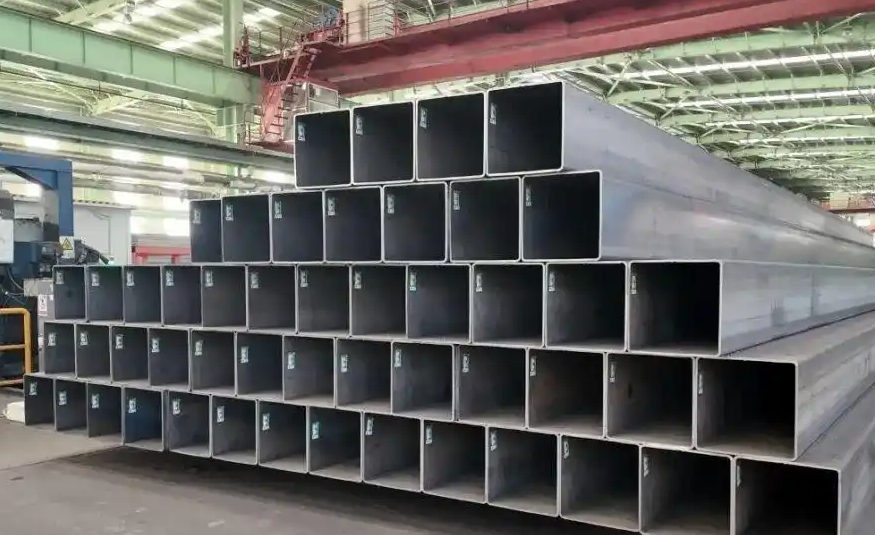
Jingye Precision Pipe Manufacturing Overcomes High-Difficulty Special-Shaped Tube Orders
Recently, Jingye Precision Pipe Manufacturing Co., Ltd. successfully delivered a batch of orders for large-diameter special-shaped square tubes conforming to American standards, which are technically challenging and have stringent process requirements.





|

|

|

|

|
| Timely Info | Independent | Platform | Multiple guarantees | Self-operated storage |
China Steel Market
Empowering small and medium-scale steel purchasing

| About us | Channel | Useful tools |
|---|---|---|
| About China Steel Market | Prices | Steel Weight Calculation |
| Contact Us | Answers | Why Choose Us |
| Terms & Conditions | Inventory | Avoiding Trade Fraud Guide |
| Privacy Policy | Help |
Hot search words:
China Rebar prices China Wire Rod Prices Welded Steel Pipe Prices



