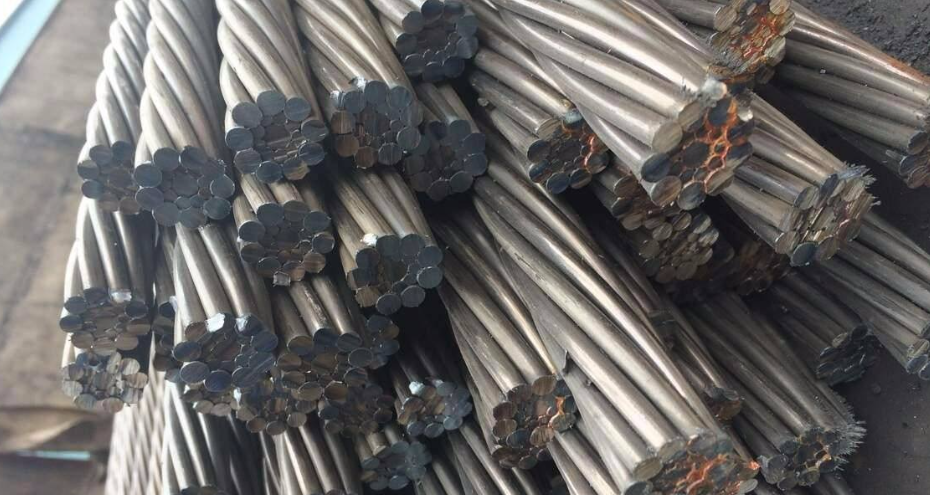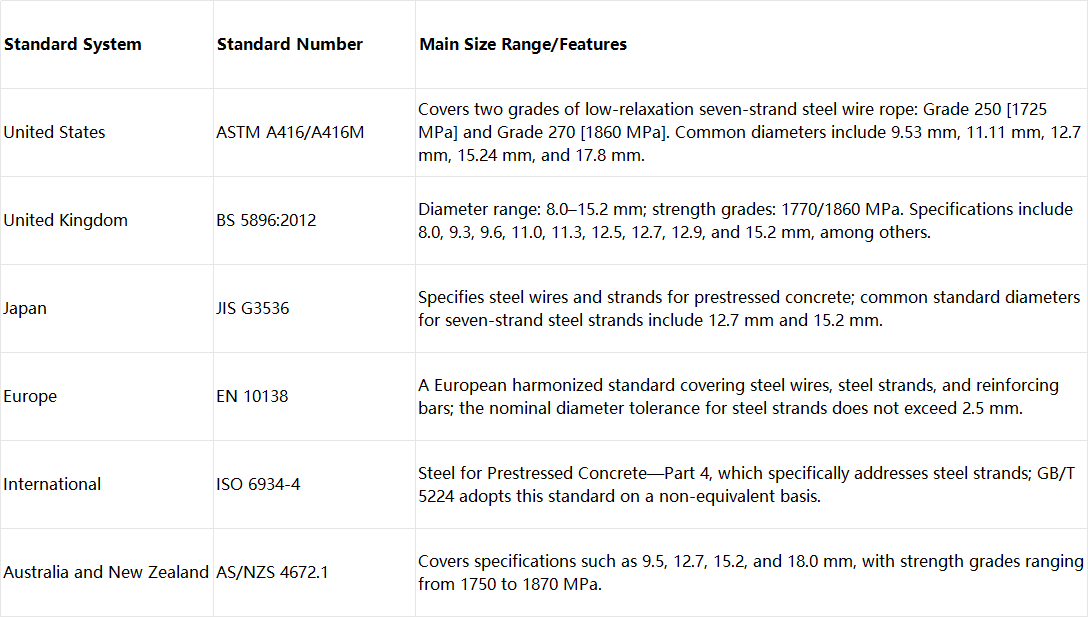

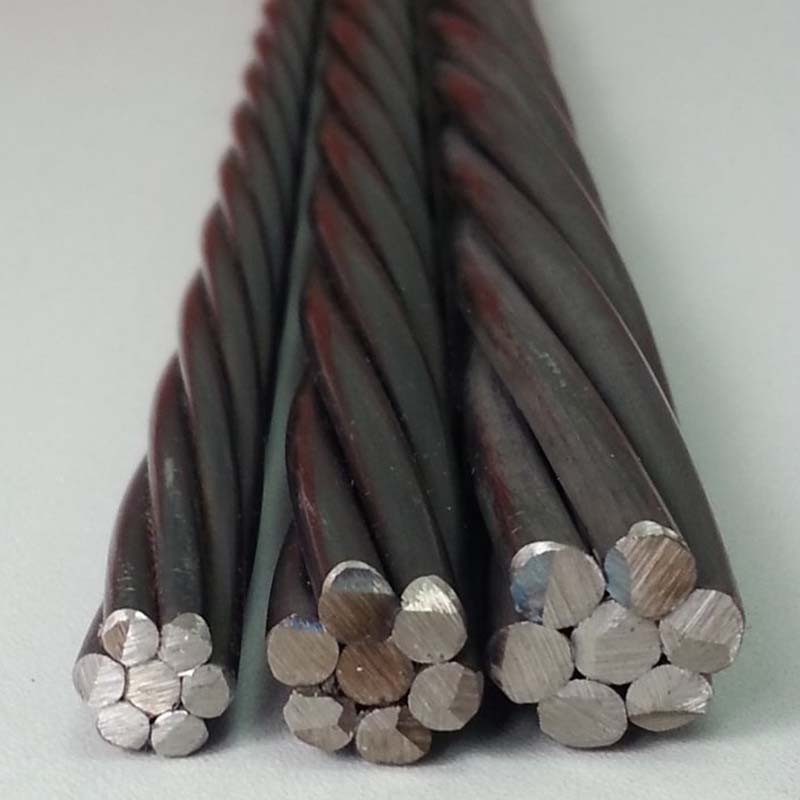
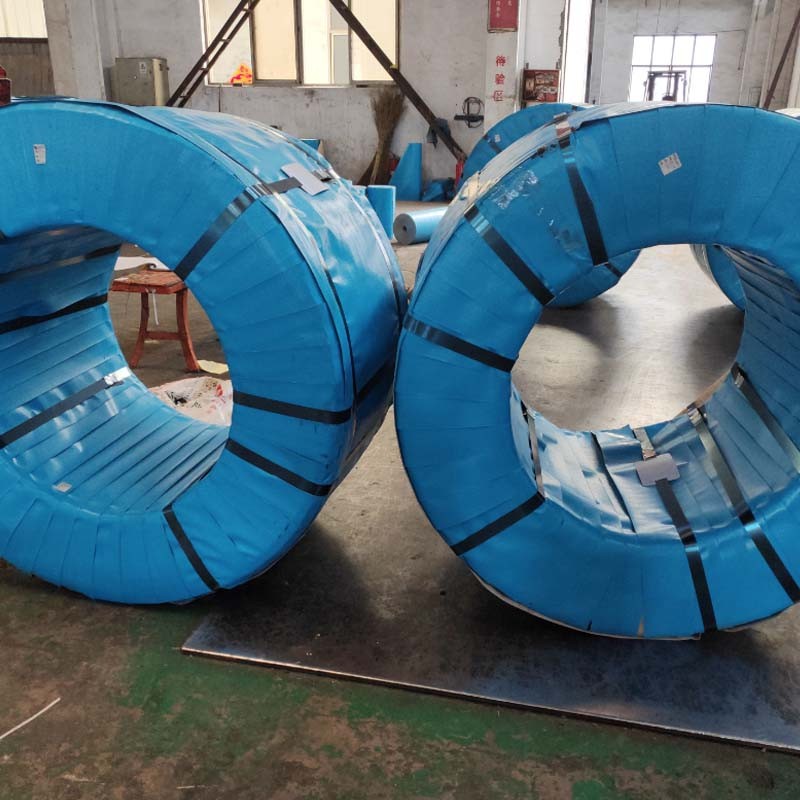
Prestressed steel strands, also known as steel strands for prestressed concrete, are twisted steel cables made by twisting together 2, 3, 7, or 19 high-strength steel wires and subjecting them to stress-relief treatment (stabilization treatment). They are primarily used in prestressed concrete structures and similar applications. Its main characteristics include high strength, good relaxation properties, and a relatively straight appearance when uncoiled. Common tensile strength grades include 1860 MPa, as well as 1720, 1770, 1960, 2000, 2160, 2230, and 2360 MPa. China produced its first high-strength, low-relaxation prestressing steel strand on July 19, 1988. After decades of technical research and development, the country has achieved full domestic production of large-diameter, high-strength, low-relaxation products.
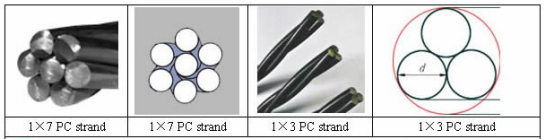
Prestressed steel strands can be classified by the number of wires into 2-wire, 3-wire, 7-wire, and 19-wire structures. Among these, the 1×7 structure (1 central wire + 6 outer wires twisted in a helical pattern) is the market mainstream, accounting for over 80% of the market. Based on surface finish and application, they can be classified as: bonded type (smooth or grooved, bonding directly to concrete), unbonded type (coated with anti-corrosion grease and encased in an HDPE plastic sheath, with force transmission via anchorage devices), galvanized type (used in corrosive environments such as tie rods for coastal bridges), epoxy-coated types (used in projects with special corrosion resistance requirements), and delayed-bonding types (suitable for projects with high demands for construction convenience, durability, and fatigue resistance). By type, they can be classified into three categories: ordinary steel strands, low-relaxation steel strands, and die-drawn steel strands. Among these, low-relaxation steel strands, which are produced using stabilization treatment, not only exhibit low relaxation loss and high yield strength but also have minimal unevenness between wires, consistent performance along their length, no loosening at the ends, and good straightness; therefore, they play a dominant role in both production and application.
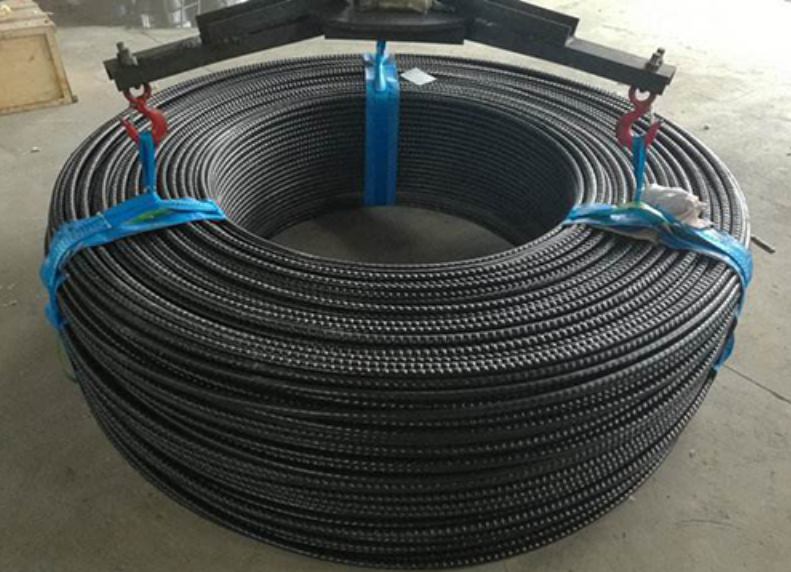
Although cold-headed steel and prestressed steel strands are both metal products, they differ fundamentally in terms of material composition and service functions. Cold-headed steel is primarily made of high-quality low- or medium-carbon structural steel, with an emphasis on cold-forming plasticity; in contrast, prestressed steel strands are made from high-carbon steel (such as 82B, with a carbon content of 0.78%–0.85%), requiring a sorbite content of ≥90% and non-metallic inclusions of ≤Grade 1.5, and are designed to achieve ultra-high strength and low relaxation properties.
Production Process of Prestressed Steel Strand:
The typical production process for prestressed steel strands is as follows:
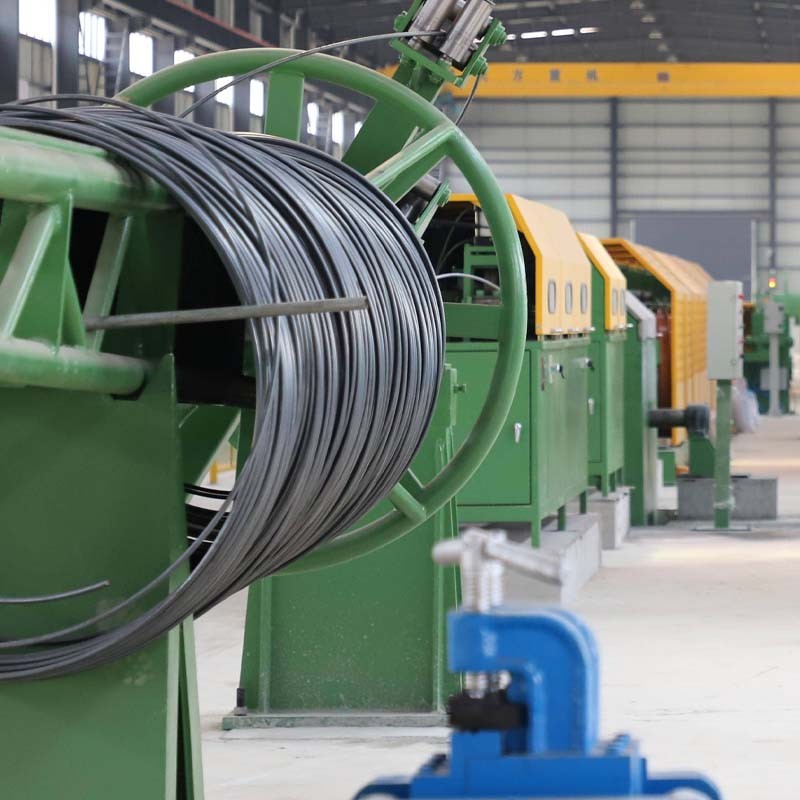
High-carbon steel wire rod (e.g., 82B) → Inspection → Pickling and phosphating → Drawing → Semi-finished product inspection → Stranding → Stabilization treatment → Coiling → Final inspection → Packaging → Storage. The drawing process is a critical step. Taking 1860 MPa-grade products as an example, the core wires and outer coarse wires are drawn from 16.0 mm wire rod through nine drawing passes to 6.62–6.68 mm, while the outer fine wires are drawn from 12.5 mm wire rod to 4.88–4.94 mm, with a total reduction ratio ranging from 82% to 85%. The stabilization treatment temperature after stranding is typically controlled at 380–390°C to eliminate residual stresses within the wires and improve their relaxation properties.
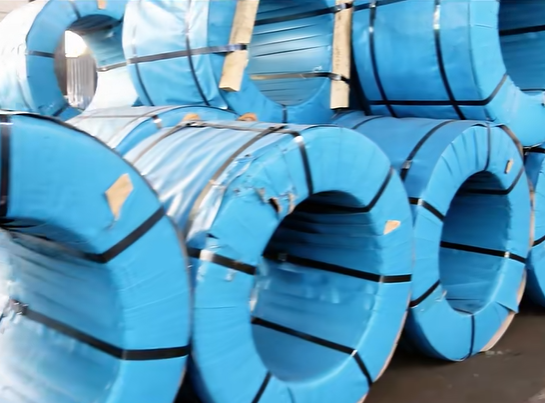
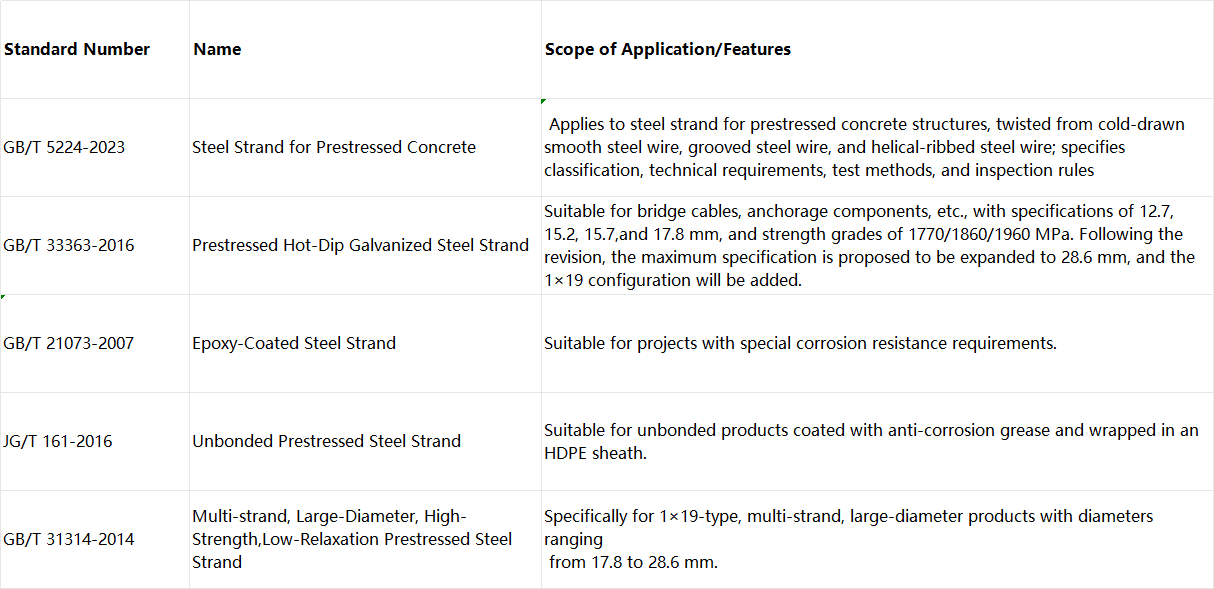
The common specifications for prestressed steel strands, in accordance with GB/T 5224-2023 and industry practice, are primarily as follows: The 1×3 configuration includes 6.2 mm, 6.5 mm, 8.6 mm, 8.74 mm, 10.8 mm, 12.9 mm, and others; The 1×7 configuration includes 9.53 mm, 11.11 mm, 12.7 mm, 15.24 mm, 15.7 mm, 17.8 mm, 18.9 mm, and 21.6 mm, among others; the 1×19 configuration includes 21.8 mm and 28.6 mm, among others. The most commonly used specification in the Chinese market is 15.2 mm in diameter (i.e., 15.24 mm) with a tensile strength of 1,860 MPa, which is widely used in bridge and construction applications. In mine support, 19-strand large-diameter steel strands or thicker specifications such as 17.8 mm, 18.9 mm, and 21.6 mm are more commonly used.
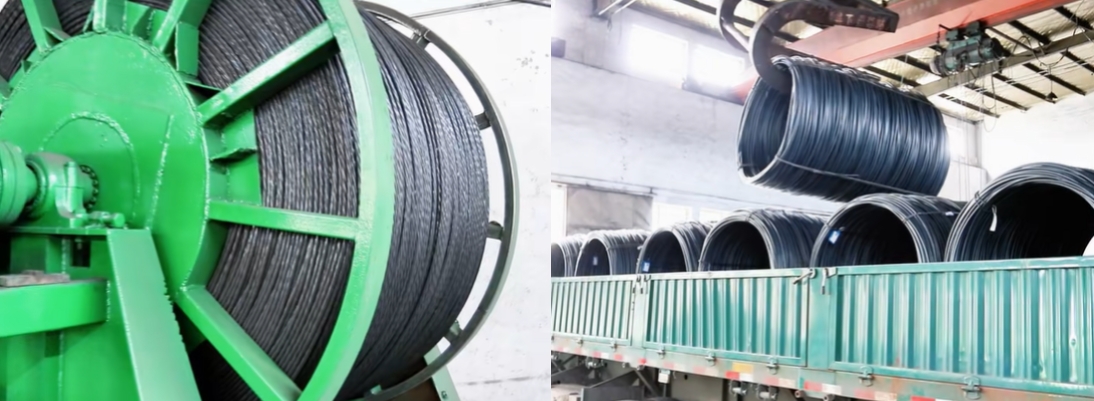
Main Applications of Prestressed Steel Strand:
Bridge Engineering: Used as main reinforcement for long-span highway and railway bridges, as well as cables and stay cables for suspension and cable-stayed bridges. It is widely used in national key projects such as the Hong Kong–Zhuhai–Macao Bridge and the Hangzhou Bay Cross-Sea Bridge.
Architectural and Water Conservancy Engineering: Used in roof slabs for large-span civil buildings, high-rise structures, hydroelectric dams, and reactor containment vessels for nuclear power plants (for example, steel strands used in the “Hualong One” nuclear power plant containment vessels hold over 95% of the domestic market share).
Geotechnical Anchoring and Mine Support: Applied in anchor cables and anchoring systems for tunnels, slopes, coal mines, and other engineering projects.
Rail Transit: Used for prestressing reinforcement in precast components such as high-speed rail box girders and Type III track slabs, resulting in steel savings of approximately 40%.
Energy and Special Engineering: Used in wind turbine foundations, LNG storage tanks, and external prestressing reinforcement projects, which require products with special surface treatments such as galvanized, epoxy-coated, or unbonded types.




|

|

|

|

|
| Timely Info | Independent | Platform | Multiple guarantees | Self-operated storage |
China Steel Market
Empowering small and medium-scale steel purchasing

| About us | Channel | Useful tools |
|---|---|---|
| About China Steel Market | Prices | Steel Weight Calculation |
| Contact Us | Answers | Why Choose Us |
| Terms & Conditions | Inventory | |
| Privacy Policy | Help |
Hot search words:
China Rebar prices China Wire Rod Prices Welded Steel Pipe Prices