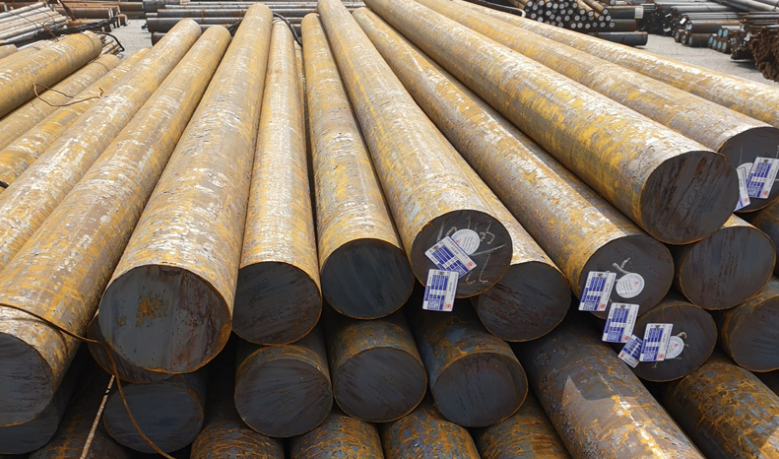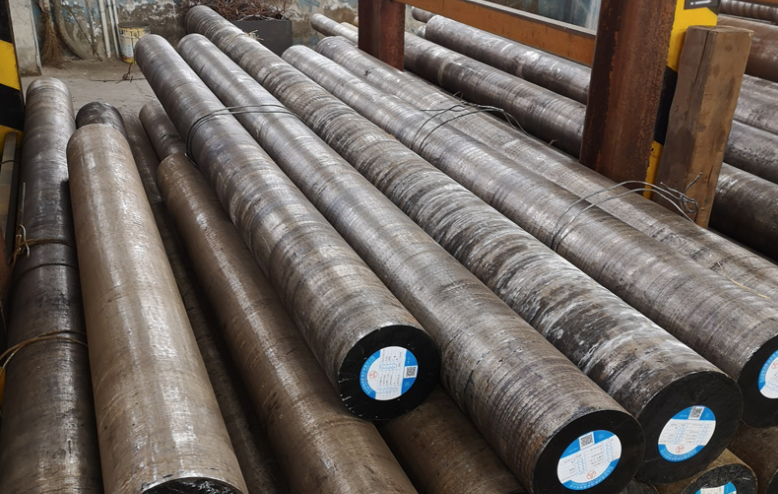

Plastic mold steel round bars are alloy tool steel products specifically designed for manufacturing plastic molding tools (such as injection, blow, and extrusion molds). Their primary function is to provide uniform hardness, excellent polishability, and corrosion resistance—whether in a pre-hardened or heat-treated state—to withstand the erosive and chemically corrosive effects of molten plastic under high temperatures and pressures.
Mold steels constitute the primary material for plastic molds; advancements in mold steel technology have driven the evolution of industrial products toward higher quality, greater diversity, customization, and increased added value. Globally, mold steel production is categorized under alloy tool steel, accounting for approximately 70% to 80% of that sector's total output.
Plastic mold steels typically feature a carbon content ranging from 0.3% to 0.6% and are alloyed with elements such as Cr, Ni, Mo, and Mn.
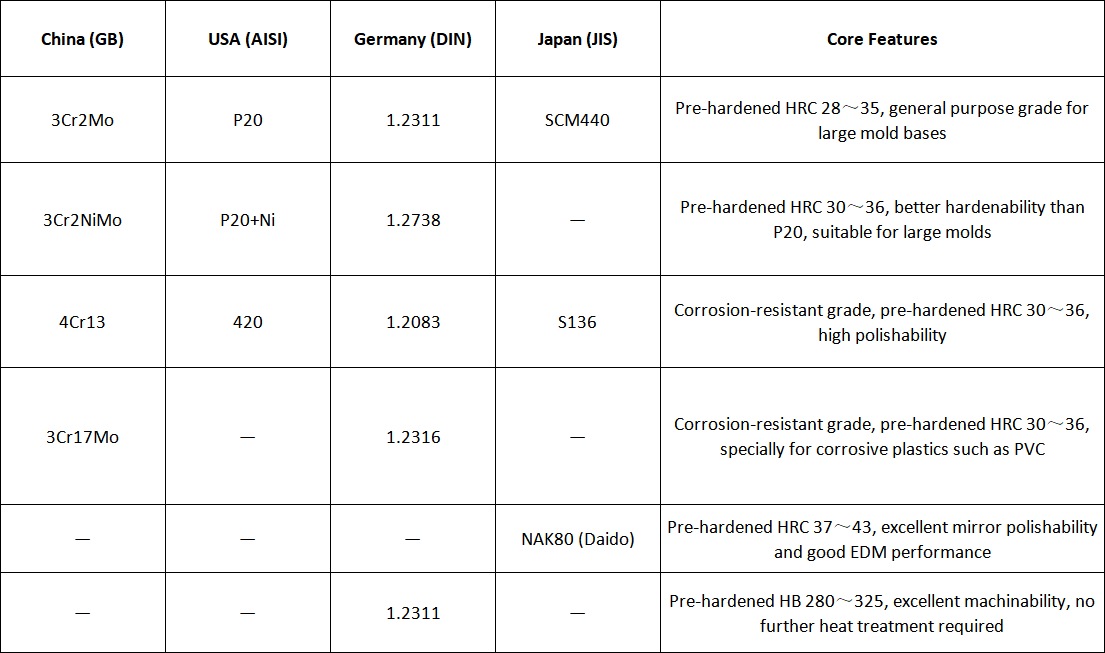
The mainstream grades in the plastic mold steel market are predominantly based on standards from Europe, the United States, and Japan; grade comparisons are available.
Based on heat treatment status, mechanical properties, and service conditions, plastic mold steels commonly used in the industry are categorized into four main types: pre-hardened, hardened hot-work, corrosion-resistant mirror-finish, and age-hardening steels. Each type possesses distinct characteristics suited to specific mold operating conditions.
1. Pre-hardened Mold Steels
Pre-hardened steels undergo quenching and tempering (refining) treatments prior to delivery, ensuring uniform and stable hardness. They require no further heat treatment and can proceed directly to finish machining, polishing, and mold fitting. Offering short production cycles, controllable costs, and excellent weldability for repairs, they are the primary choice for small-to-medium-sized, conventional plastic molds. While characterized by good toughness and machinability, they have limited ultra-high wear resistance and high-temperature performance; thus, they are best suited for mass-production molds operating under moderate loads with standard aesthetic requirements. Mainstream grades include P20, 718H, and NAK80, covering the majority of general-purpose plastic molding applications.
2. Hardened Hot-work Mold Steels
Hardened hot-work steels require integral quenching and tempering after the mold has been machined. They achieve a balance of high hardness and toughness, offering excellent resistance to high temperatures, thermal fatigue, and cracking, with wear resistance far superior to standard pre-hardened steels. With strong resistance to high temperatures and deformation, they are suitable for mass-production molds subject to prolonged high-temperature molding, heavy loads, and high wear. They are frequently used for molds processing glass-fiber-filled plastics and high-temperature engineering plastics; key grades include SKD61 and H13.
3. Corrosion-resistant Mirror-finish Mold Steels
Corrosion-resistant mirror-finish steels are martensitic stainless steels that inherently resist acids, alkalis, hydrolysis, and rust. They offer superior mirror-polishing capabilities, high purity, and uniform microstructure, ensuring molded parts are free from pitting or flow marks. These steels are specifically designed for corrosive plastic materials and products requiring high transparency and premium surface finishes. Their drawbacks include high material costs and difficulties in machining and welding repairs; mainstream examples include S136 and S136H.
4. Age-hardening mold steels
Age-hardening steels feature low initial hardness and excellent machinability; their hardness can be increased through low-temperature aging after finish machining. They exhibit minimal heat-treatment distortion and virtually no dimensional deviation. Characterized by ultra-high precision and ultra-low distortion, these steels are suitable for high-precision molds used for miniature precision plastic parts, ultra-thin-walled components, and precision gears. Representative grades include PMS and 2316.
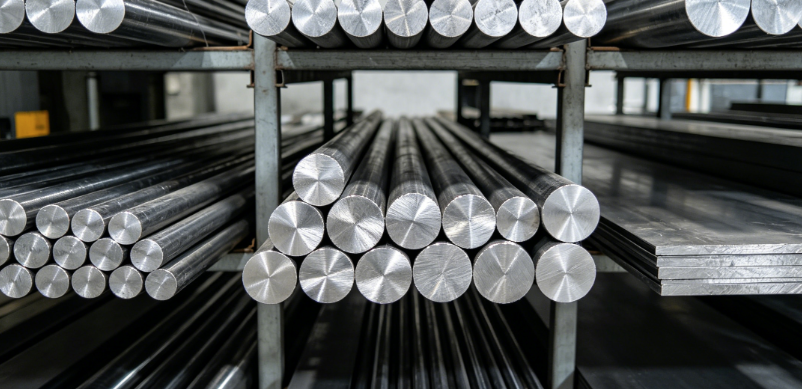
Based on commonly used plastic mold steel grades, this comparison evaluates mainstream steels across six core dimensions—hardness, polishability, wear resistance, corrosion resistance, machinability, and service life—clearly distinguishing their respective strengths, weaknesses, and application suitability.
1. P20: An entry-level pre-hardened steel with a standard hardness of 28–32 HRC. It offers easy machinability, good weldability, and low cost. However, its polishability is average—suitable only for standard plastic part finishes—and it lacks corrosion or high wear resistance. With a service life of approximately 100,000 cycles, it is the preferred choice for low-volume, low-cost molds.
2. 718H: A mid-range, general-purpose pre-hardened steel with a hardness of 32–38 HRC and a uniform microstructure. It outperforms P20 in polishability, wear resistance, and toughness, and is compatible with some glass-fiber reinforced plastics. It offers a mass-production lifespan of 200,000–350,000 cycles and excellent overall cost-performance, making it a mainstream material for home appliances, automotive interiors, and small appliance molds.
3. NAK80: A high-gloss pre-hardened steel with a hardness of 38–42 HRC. It requires no heat treatment and enables a super-mirror finish with excellent visual quality—free from pinholes or fine lines—making it ideal for high-gloss, transparent, and non-corrosive plastic parts. Its drawbacks include average wear resistance, a tendency for weld cracking, and difficulty in performing mold modifications or repairs.
4. S136/S136H: A corrosion-resistant mirror-finish steel available in both pre-hardened and hardened states (30–52 HRC). It boasts industry-leading acid, alkali, and rust resistance and achieves the highest level of mirror polishing. It is suitable for all corrosive plastics and high-end transparent optical components, offering excellent wear resistance; its only downsides are high material costs and significant processing waste. 5. SKD61: A high-temperature hot-work steel with a post-quenching hardness of 48–52 HRC. It features outstanding heat resistance, resistance to thermal cracking and fatigue, and high-temperature stability up to 600°C. It offers excellent wear resistance and is suitable for high-temperature molding and engineering plastics with high glass-fiber content. It is ideal for long-term mass production molds capable of exceeding one million cycles, though it lacks corrosion resistance.
6. PMS: A precision age-hardening steel with a post-aging hardness of 42–45 HRC. It exhibits near-zero deformation during heat treatment and exceptional dimensional stability, specifically addressing dimensional deviation issues in precision plastic parts. It offers excellent polishability but is unsuitable for applications involving corrosive plastics.
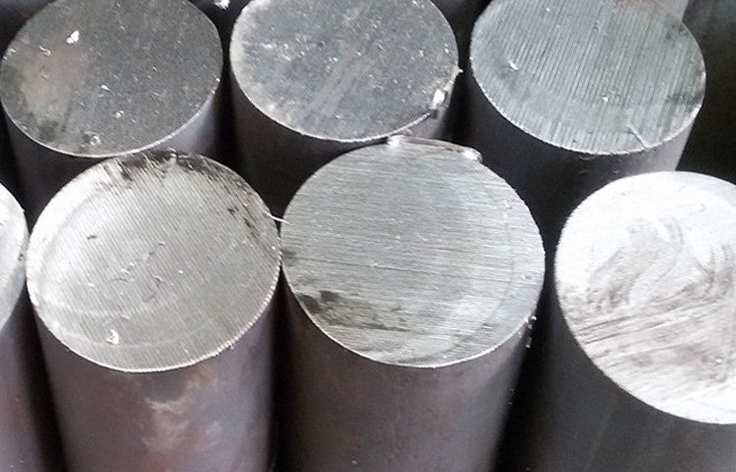
The core of plastic mold steel (round bar) production lies in "high-purity smelting + homogenization forging + pre-hardening treatment."
1. Smelting: The mainstream process involves "Electric Arc Furnace (EAF) smelting → Ladle Furnace (LF) refining → Vacuum Degassing (VD/VOD) → Electroslag Remelting (ESR)." ESR significantly reduces oxygen, sulfur, and inclusion content while improving carbide uniformity; it is an essential step for high-end mirror-finish mold steels (such as NAK80 and S136).
2. Forging: Multi-directional forging is used to break up the as-cast carbide network. A typical process involves preheating the ingot to 600–700°C, heating it to 1200–1250°C with a holding period, and furnace cooling after forging.
3. Pre-hardening Treatment (Core Step): After forging, the steel undergoes normalizing at 880±10°C for grain refinement, followed by water quenching after holding at 900–940°C for 2–3 hours. Finally, it is tempered at 450–550°C to achieve a uniform tempered sorbite or tempered martensite microstructure, resulting in a working hardness of HRC 28–42.
For corrosion-resistant plastic mold steels, high-temperature homogenization treatment is also required to eliminate segregation, and multi-directional forging is employed to further enhance isotropy.
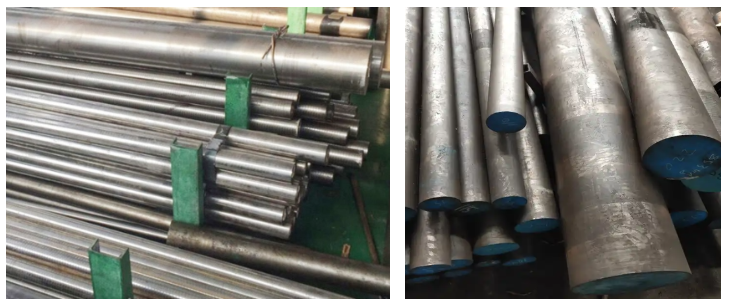
Plastic mold steel is a material used to manufacture molds for plastic products and must meet specific performance standards.
1. Material Hardness: The hardness of plastic mold steel is a key indicator of its wear resistance and durability. It is typically measured using hardness testers, with common standards including HRC, HB, and HV. Generally, the hardness of plastic mold steel should range from 32 to 52 HRC.
2. Tensile Strength: Tensile strength refers to the maximum tensile force the material can withstand during stretching. Higher tensile strength indicates greater material strength and better durability. Generally, the tensile strength of plastic mold steel should be between 1000 and 1500 MPa.
3. Impact Toughness: Impact toughness refers to the material's ability to resist fracture when subjected to impact loads. Higher impact toughness indicates superior impact resistance. Common testing methods include impact testing machines and Charpy impact tests. Generally, the impact toughness of plastic mold steel should range from 10 to 30 J/cm².
4. Thermal Stability: Stability in high-temperature environments is a crucial performance indicator. Plastic mold steel requires good high-temperature resistance to ensure the mold does not deform or crack under such conditions. Generally, the operating temperature for plastic mold steel should be between 150 and 300°C.
5. Corrosion Resistance: Plastic mold steel requires a certain level of corrosion resistance to prevent corrosion during use, which could otherwise shorten the mold's service life. Common corrosion testing methods include salt spray tests and acid/alkali corrosion tests. Generally, the corrosion resistance of plastic mold steel should meet relevant standard requirements.
6. Thermal Conductivity: Thermal conductivity refers to the material's ability to conduct heat. Good thermal conductivity improves the mold's cooling efficiency and reduces the molding time for plastic products. Generally, the thermal conductivity of plastic mold steel should range from 20 to 40 W/(m·K). 7. Machinability: Plastic mold steels require good machinability to facilitate mold manufacturing and processing. Common indicators of machinability include cutting performance, heat treatment characteristics, and weldability. Generally, the machinability of plastic mold steels should meet relevant standard requirements.
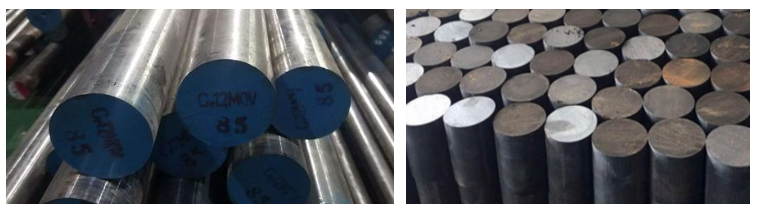
Plastic mold steel is widely used in industrial production, primarily in the following areas:
1. Injection molds: The primary application area, used to manufacture various injection-molded products such as home appliances, automotive parts, electronic product housings, and daily necessities.
2. Die-casting molds: Used for die-casting processes, commonly for aluminum or zinc alloy parts in automobiles, motorcycles, and electronic products.
3. Extrusion molds: Used in continuous extrusion production lines for plastic pipes, profiles, sheets, and similar products.
4. Blow molds: Used to manufacture hollow blow-molded products such as plastic bottles, containers, and toys.
5. Thermoforming molds: Used for shaping thermoplastic sheets, such as those for food packaging and medical device packaging.
6. Vacuum forming molds: Used for vacuum forming processes, commonly in the packaging industry for transparent packaging (e.g., for food, toys, and electronics).
7. Rubber molds: Although primarily used for rubber product molding, plastic mold steel is sometimes utilized to manufacture rubber molds.
8. Precision molds: Used to manufacture precision plastic products such as optical lenses and precision electronic components.
9. Rapid prototyping molds: Used in rapid prototyping technologies, such as auxiliary molds for 3D printing processes.
10. Composite molds: Used to manufacture composite material products with specialized properties.
Specific uses of plastic mold steel in these applications include:
1. Molding components: Such as cavities, cores, sliders, and lifters.
2. Structural components: Such as mold plates, support plates, guide elements, and fasteners.
3. Hot runner systems: Such as hot nozzles, heating rods, and temperature controllers.
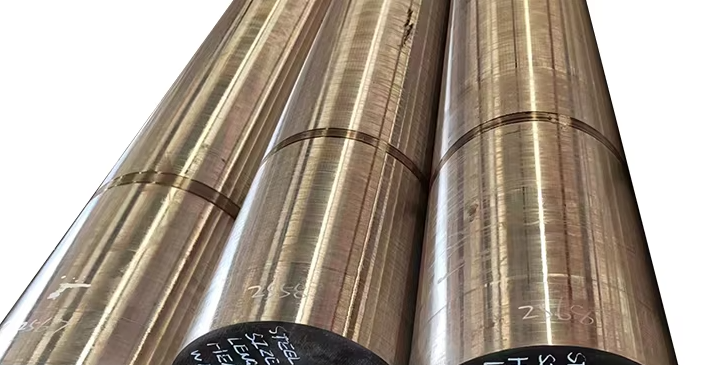
The selection of plastic mold steel is guided by three core principles: matching operational conditions, optimizing cost-effectiveness, and aligning with service life requirements. Material selection is precisely determined by considering four key dimensions: plastic raw material characteristics, production volume, product precision and appearance, and molding temperature.
1. Selection based on plastic raw material characteristics. For standard, non-corrosive general-purpose plastics (PP, PE, ABS), prioritize conventional pre-hardened steels like P20 and 718H. For glass-fiber-filled or highly abrasive plastics, select highly wear-resistant hardened steels such as SKD61. For corrosive plastics (PVC, POM, flame-retardant PC, etc.), corrosion-resistant stainless steels from the S136 series are mandatory. For optically transparent parts (PC, PET) or high-end cosmetic components, choose NAK80 or hardened S136. For high-temperature engineering plastics (PEEK, LCP), hot-work steels such as SKD61 or H13 are suitable.
2. Selection based on production volume. For small-batch trial production (under 10,000 cycles), use P20 or 45# steel to control costs and shorten lead times. For medium-batch production (100,000–300,000 cycles), use pre-hardened steels—718H for general materials and S136H for corrosive materials—to balance efficiency and service life without requiring secondary heat treatment. For high-volume production (over 500,000 cycles), use hardened versions of S136 or SKD61 to minimize long-term costs associated with mold repair and replacement.
3. Selection based on product precision and appearance. For daily necessities with standard appearance and low precision requirements, select P20 or 718H. For high-gloss, mirror-finish, or transparent plastic parts, choose NAK80 or S136. For precision micro-parts, ultra-thin-walled components, or parts with strict dimensional tolerances, select PMS aging-hardened steel to ensure zero dimensional deformation of the mold.
4. Selection based on processing and mold modification requirements. For development-stage molds requiring frequent modification or repair, priority should be given to P20 and 718H steels due to their excellent weldability, while avoiding grades like NAK80 and S136 that are difficult to weld and prone to cracking. Pre-hardened steels are prohibited for high-temperature hot-runner molds and cavities subjected to prolonged high-temperature service; instead, high-temperature hot-work tool steels must be used exclusively.
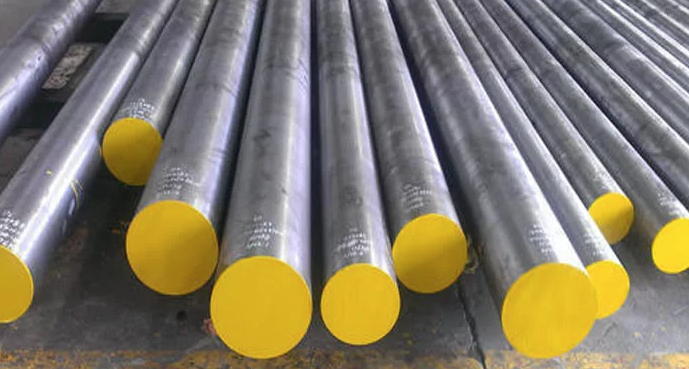
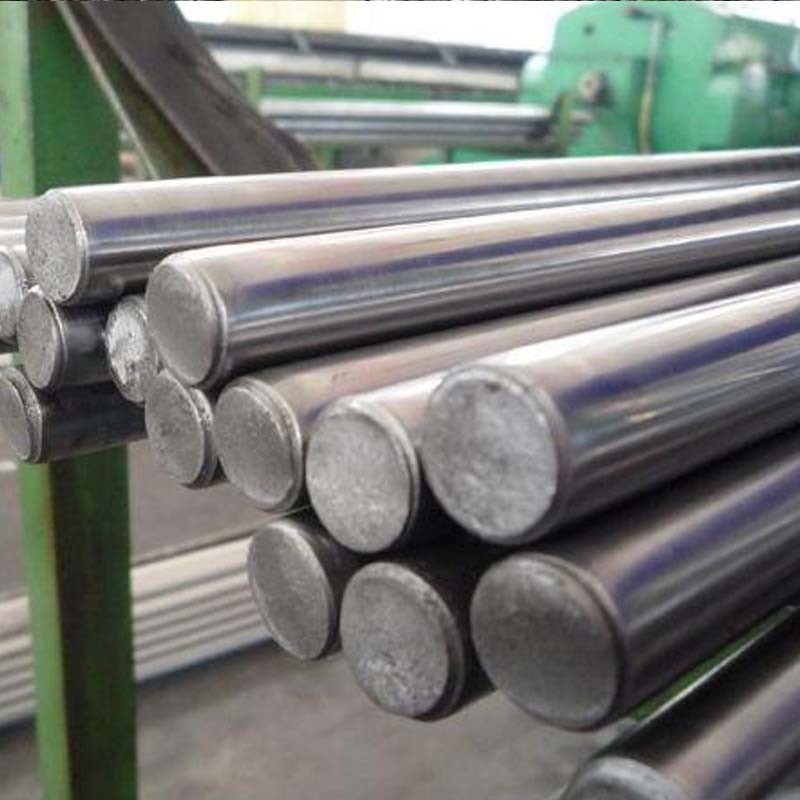
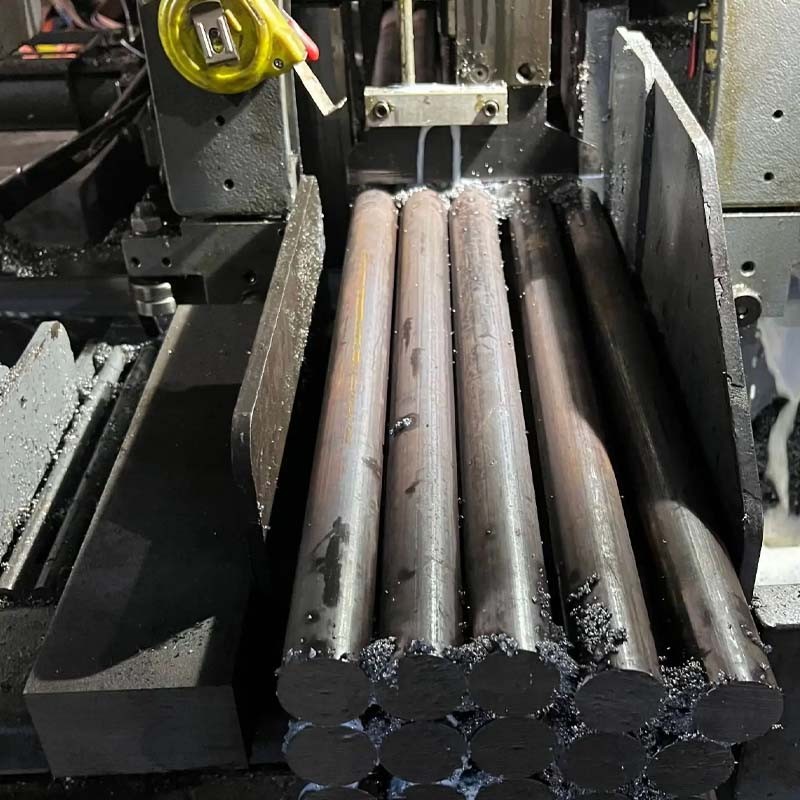
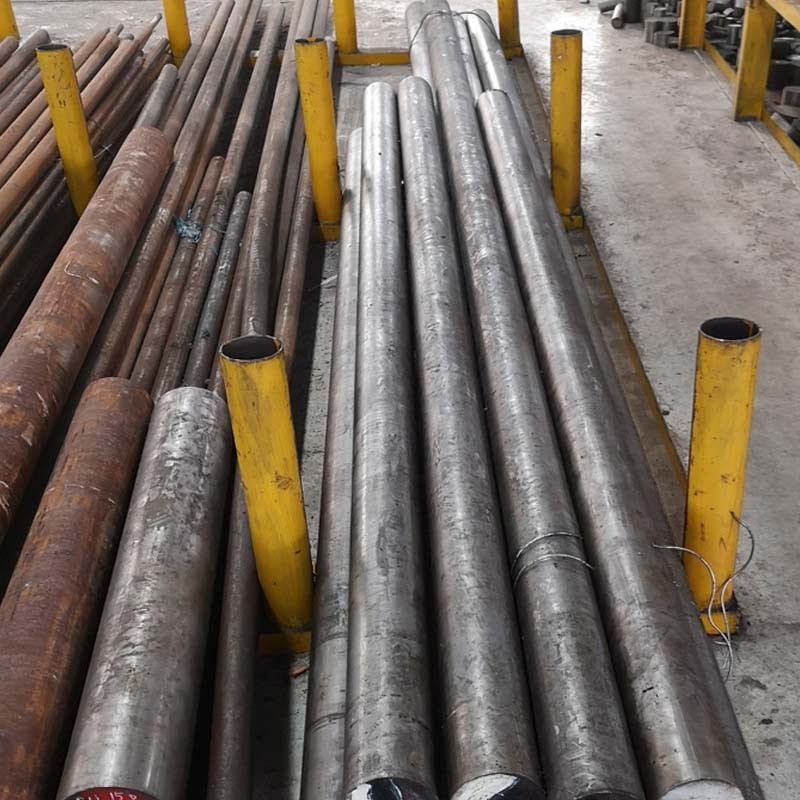
Plastic mold steel (supplied as round bars) is a specialized class of pre-hardened or corrosion-resistant alloy tool steel used for manufacturing plastic molding dies, manufactured in accordance with the GB/T 35840 series of standards. The primary grades fall into two main categories: pre-hardened types (representing the mainstream application), such as P20 (3Cr2Mo), 718 (3Cr2NiMo), and 1.2311; and corrosion-resistant types, such as S136 and 1.2316. Their key value lies in the convenience of supply in a pre-hardened state, excellent polishability, and resistance to corrosion caused by corrosive plastics.





|

|

|

|

|
| Timely Info | Independent | Platform | Multiple guarantees | Self-operated storage |
China Steel Market
Empowering small and medium-scale steel purchasing

| About us | Channel | Useful tools |
|---|---|---|
| About China Steel Market | Prices | Steel Weight Calculation |
| Contact Us | Answers | Why Choose Us |
| Terms & Conditions | Inventory | |
| Privacy Policy | Help |
Hot search words:
China Rebar prices China Wire Rod Prices Welded Steel Pipe Prices