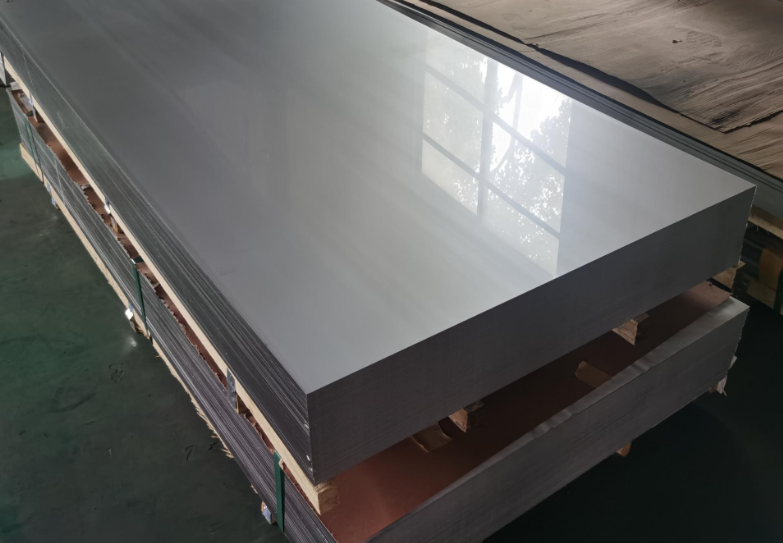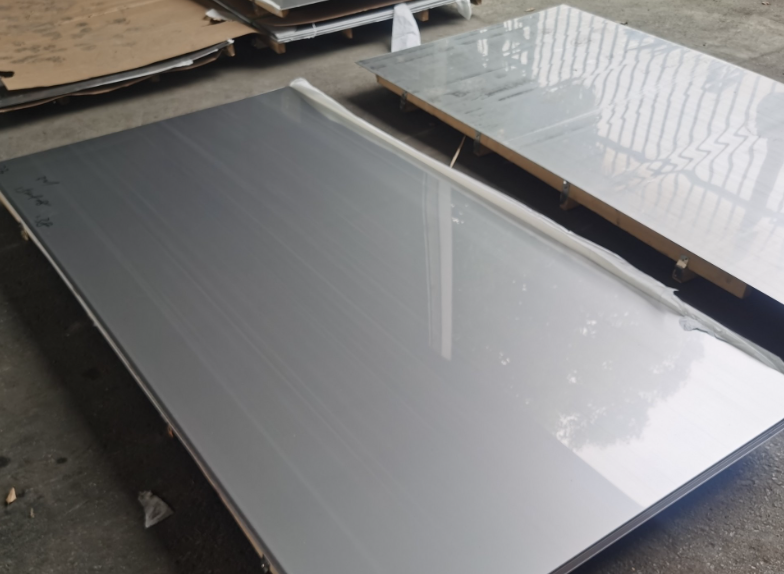

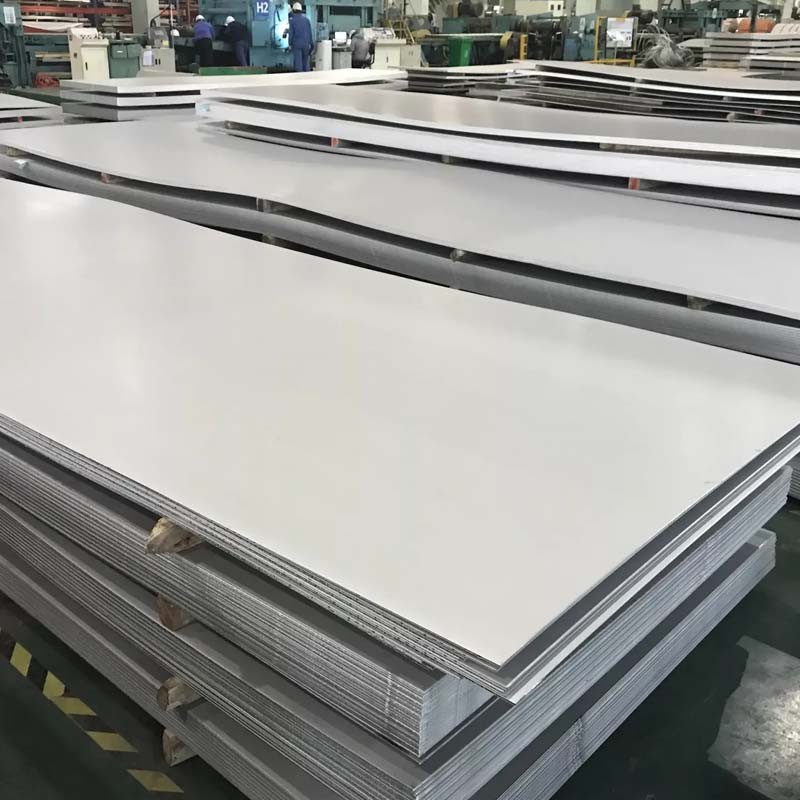
Hot-rolled stainless steel plates are flat products manufactured from hot-rolled steel strip coils through processes such as leveling and cutting to length. They retain all the characteristics of the hot-rolling process and are one of the most basic forms of stainless steel material in the industrial field.
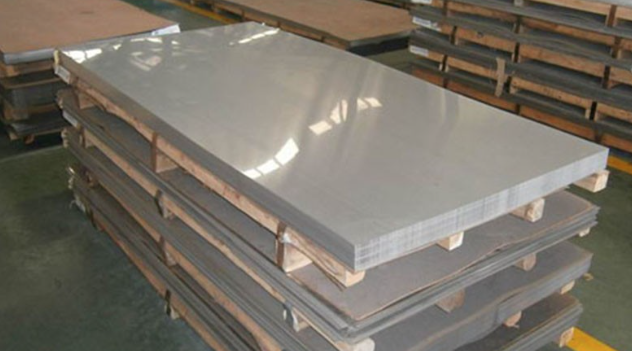
1. By Thickness:
Thin Plate: Thickness not exceeding 3mm.
Thick Plate: Thickness greater than 3mm.
2. By Steel Grade:
Austenitic: Such as 304, 304L, 316, 316L, etc. Non-magnetic, excellent corrosion resistance.
Ferritic: Such as 430, 409L, etc. Magnetic, relatively inexpensive.
Martensitic: Such as 410, 420, etc. Magnetic, can be strengthened through heat treatment.
Duplex Stainless Steel: Such as 2205, etc. Combines high strength and excellent corrosion resistance.
3. Classification by Surface Condition:
No.1 (Original Surface): After hot rolling, heat treatment and pickling, the surface is silvery-white, rough, and dull. This is the most common surface for hot-rolled flat plates.
1. Hot Rolling into Coils: After heating the continuously cast slab, it undergoes rough rolling, finish rolling, laminar flow cooling, and coiling to produce hot-rolled steel strip coils (direct-flow coils).
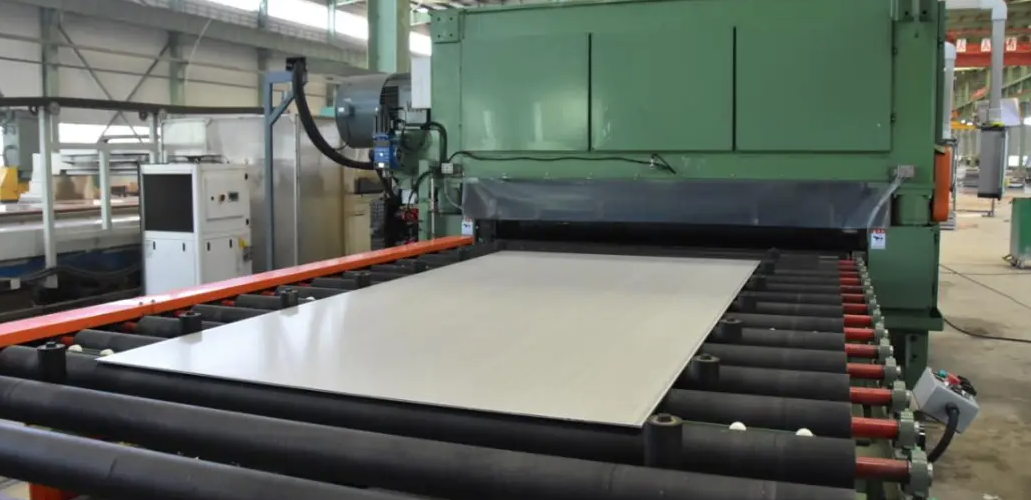
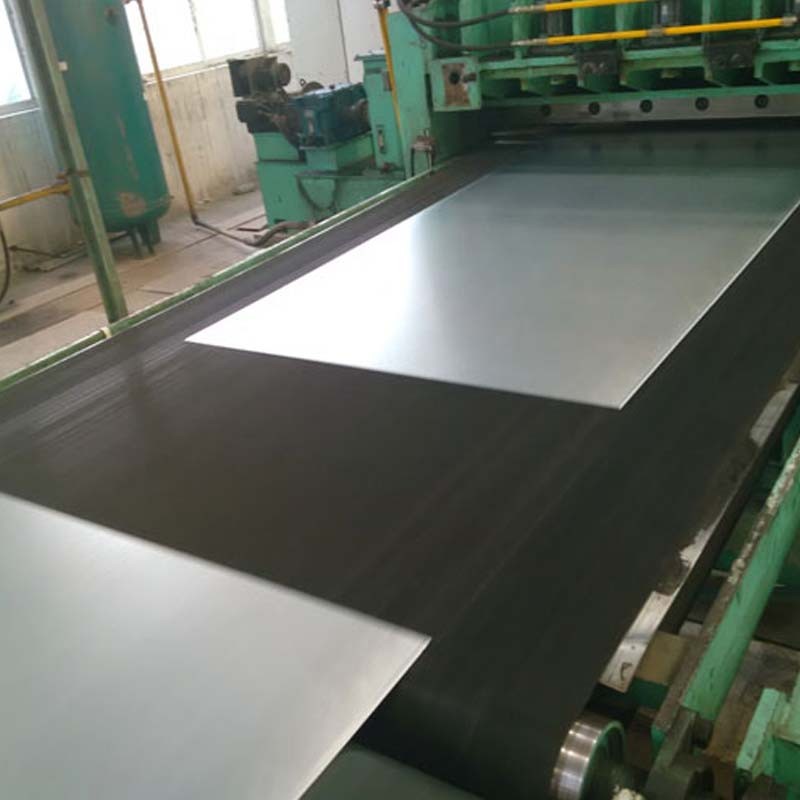
2. Leveling and Finishing: The hot-rolled steel strip coils undergo uncoiling, straightening, head trimming, tail trimming, and edge trimming on a leveling line.
3. Cutting to Length: The strips are cross-cut to the customer's required length (e.g., 6 meters) to obtain single flat plates.
4. Post-treatment (Optional): Some high-end flat plates (such as ultra-pure ferritic stainless steel medium plates) require heat treatment (850–1000℃) and pickling (a mixture of nitric acid and hydrofluoric acid) after leveling to optimize performance.
Hot-rolled stainless steel
Hot-rolled stainless steel uses slabs (mainly continuously cast slabs) as raw material, which are heated and then processed into strip steel by roughing and finishing mills. The hot steel strip exiting the last stand of the finishing mill is cooled to a set temperature by laminar flow cooling and then coiled into steel coils by a coiler. The cooled steel coils are then processed according to different user requirements through various finishing lines (leveling, straightening, cross-cutting or slitting, inspection, weighing, packaging, and marking, etc.) to become steel plates, leveled coils, and slit steel strip products.
Advantages:
1. It disrupts the casting structure of the steel ingot, making the steel structure denser, the grains finer, and eliminating microstructural defects.
2. Hot-rolled stainless steel has better toughness and ductility, and is less expensive.
3. Hot-rolled stainless steel has better torsional resistance than cold-rolled stainless steel.
Disadvantages:
1. Residual stress caused by uneven cooling results in poorer deformation, stability, and fatigue resistance in hot-rolled stainless steel.
2. The mechanical properties of hot-rolled stainless steel are far inferior to those of cold-rolled stainless steel.
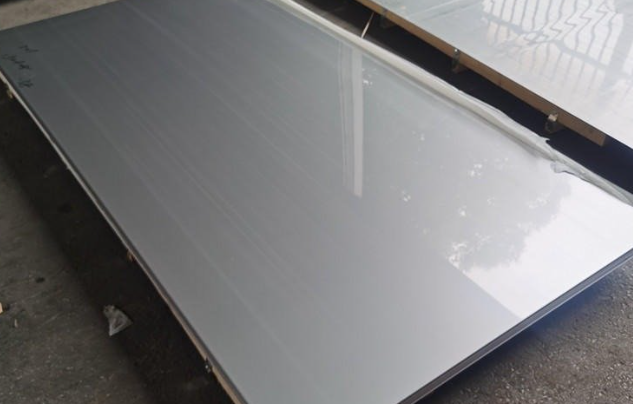
Cold-rolled stainless steel
is produced by rolling hot-rolled stainless steel sheets and coils. The typical process is hot rolling → pickling → cold rolling. Although the steel sheet heats up during rolling, it is still called cold rolling. Because cold rolling involves continuous cold deformation, its mechanical properties are relatively poor, and its hardness is too high. Annealing is necessary to restore its mechanical properties; unannealed cold-rolled coils are called hard-rolled coils. Hard-rolled coils are generally used to make products that do not require bending or stretching.
Advantages:
1. Fast forming speed, high output, and no damage to the coating.
2. Strong plastic deformation capacity and high yield point.
3. Cold-rolled stainless steel has no oxide scale on the surface, resulting in good quality and high dimensional accuracy.
Disadvantages:
1. Cold-rolled stainless steel has a smaller wall thickness, making it less able to withstand localized concentrated loads.
2. Residual stress still exists in the cross-section after forming, which worsens the buckling performance of cold-rolled stainless steel.
3. Low toughness; prone to torsion under bending and buckling under pressure; poor torsional resistance; higher price.
Cold-rolled stainless steel sheet refers to steel sheet with a thickness of less than 6mm and a bright (2B) surface.
Hot-rolled stainless steel sheet refers to steel sheet with a thickness between 3mm and 16mm; its surface can be industrial bright or matte.
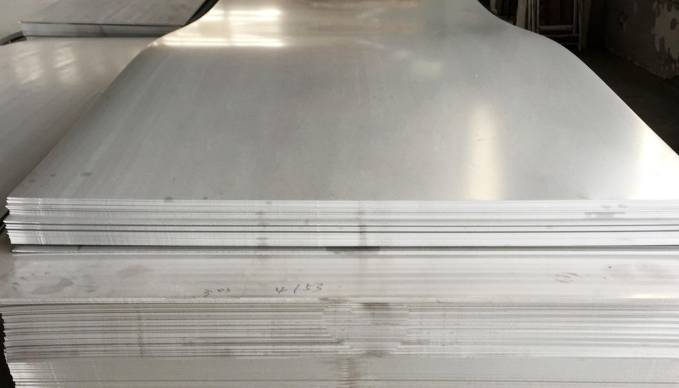
1. Structural Steel: Used in the production of ordinary structural steel and welded structural steel, primarily for steel structural components, bridges, ships, and vehicles.
2. Weathering Steel: With the addition of special elements (P, Cu, C, etc.), it possesses excellent corrosion resistance and atmospheric corrosion resistance. Used in the production of containers and special vehicles, as well as in building structures.
3. Automotive Structural Steel: High-strength steel sheets with good tensile and weldability, used in the production of automobile frames, wheels, etc.
4. Hot-Rolled Special Steel: General-purpose mechanical structural steels such as carbon steel, alloy steel, and tool steel, used in the production of various mechanical parts after heat treatment.
5. Cold-Rolled Raw Steel Sheets: Used in the production of various cold-rolled products, including cold-rolled steel sheets, galvanized steel sheets, and color-coated steel sheets.
6. Steel Sheets for Steel Pipes: Possessing good processing performance and compressive strength.
7. Steel Sheets for High-Pressure Vessels: Possessing good processing performance and compressive strength.
8. Stainless steel plate: Stainless steel has good corrosion resistance and is mainly used in food, medical equipment, aerospace, petroleum, chemical and other industries.



|

|

|

|

|
| Timely Info | Independent | Platform | Multiple guarantees | Self-operated storage |
China Steel Market
Empowering small and medium-scale steel purchasing

| About us | Channel | Useful tools |
|---|---|---|
| About China Steel Market | Prices | Steel Weight Calculation |
| Contact Us | Answers | Why Choose Us |
| Terms & Conditions | Inventory | |
| Privacy Policy | Help |
Hot search words:
China Rebar prices China Wire Rod Prices Welded Steel Pipe Prices