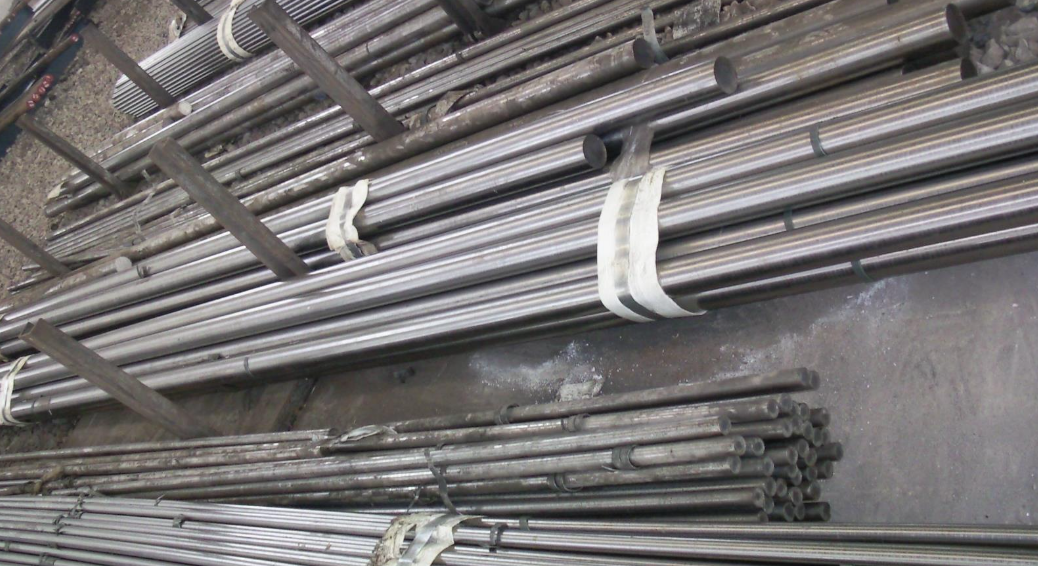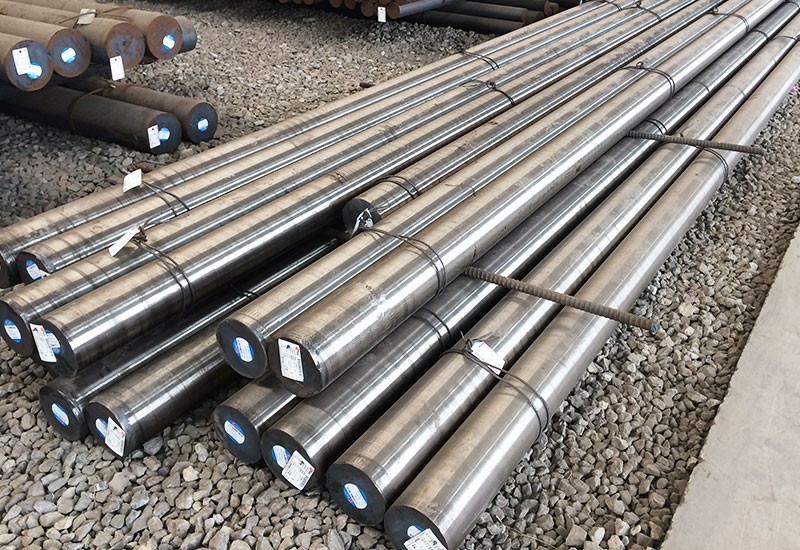

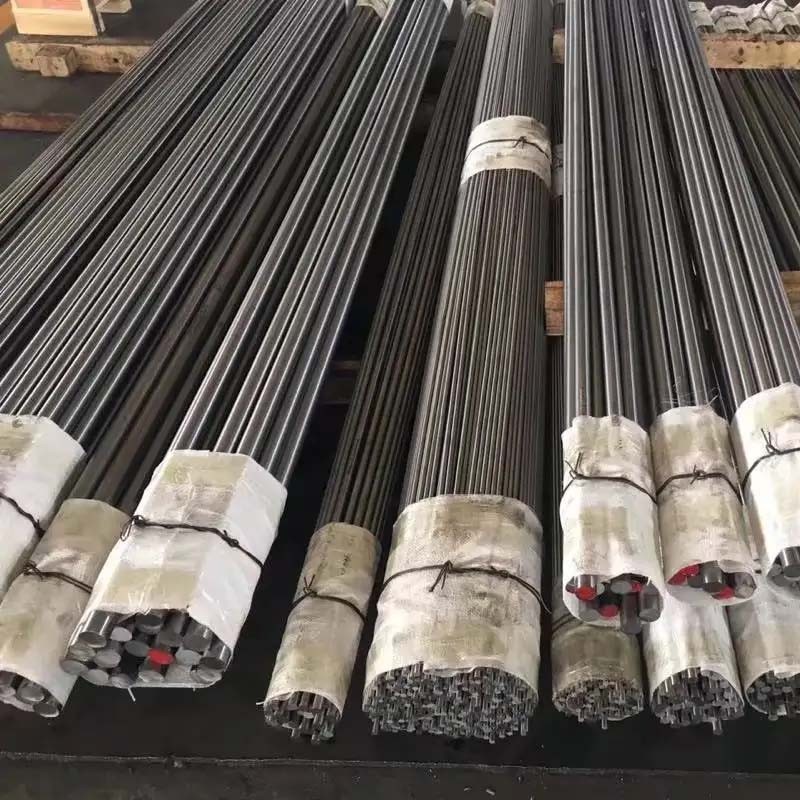
High-speed tool steel round bar is a type of high-carbon, high-alloy solid round stock. Renowned for its exceptional red hardness (the ability to maintain high hardness at elevated temperatures) and high wear resistance, it serves as a core material for manufacturing various cutting tools and precision molds. High-speed steel (HSS) is a high-carbon, high-alloy steel composed of significant amounts of elements such as tungsten (W), molybdenum (Mo), chromium (Cr), cobalt (Co), and vanadium (V). It consists primarily of metal carbides (e.g., tungsten carbide, molybdenum carbide, or vanadium carbide) embedded in a steel matrix; the carbon content ranges from 0.7% to 1.65%, and the total alloy content reaches 10% to 25%.
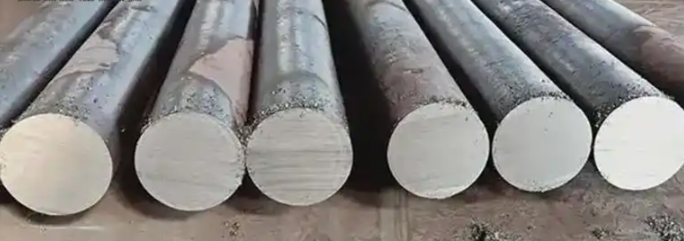
Based on alloy composition, HSS is primarily classified into the following categories:
1. Tungsten-series HSS:e.g., W18Cr4V. These feature excellent red hardness and wear resistance but relatively lower toughness; they are classic, long-established steel grades.
2. Tungsten-molybdenum series HSS: e.g., W6Mo5Cr4V2 (M2). These feature fine, uniform carbides and superior toughness and thermoplasticity, making them the most widely used general-purpose high-speed steels today.
3. High-molybdenum series HSS: e.g., W2Mo9Cr4V2. These have high molybdenum content, with performance characteristics similar to the tungsten-molybdenum series.
4. Cobalt-bearing HSS: e.g., M35, M42. The addition of cobalt (Co) significantly enhances red hardness and overall hardness, making them suitable for machining high-strength, difficult-to-cut materials.
5. Powder metallurgy HSS (PM HSS): Produced via powder metallurgy processes, these feature extremely uniform carbide distribution and no segregation. They combine high strength with high toughness and are used for high-end precision tools.
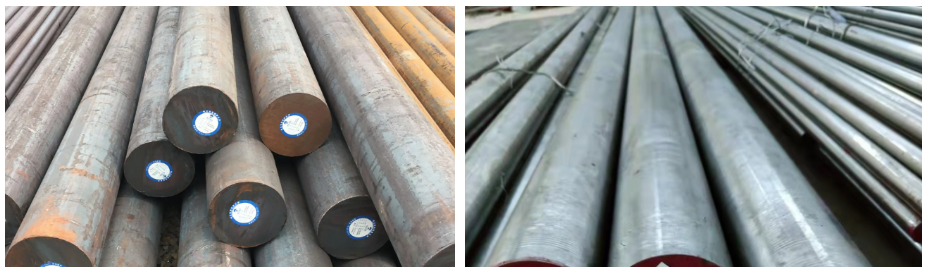
Based on application, high-speed steel can also be categorized into general-purpose and special-purpose types.
1. General-purpose HSS: Primarily used to manufacture cutting tools for metal materials with hardness ≤300 HB (e.g., drill bits, taps, saw blades) and precision tools (e.g., gear hobs, gear shaping cutters, broaches). Common grades include W18Cr4V, W6Mo5Cr4V2, etc.
2. Special-purpose high-speed steels: These include cobalt-bearing high-speed steels and ultra-hard high-speed steels (with a hardness of HRC 68–70). They are primarily used to manufacture cutting tools for difficult-to-machine metals (such as superalloys, titanium alloys, and high-strength steels). Common grades include W12Cr4V5Co5 and W2Mo9Cr4VCo8.
In terms of physicochemical properties, high-speed steel is characterized by high hardness, high strength, good toughness, red hardness, wear resistance, heat resistance, and favorable processing characteristics. The metal carbides within the steel primarily contribute to wear resistance and strength, while the steel matrix primarily contributes to toughness and the ability to absorb impact and resist fracture.
Regarding production processes, there are four main methods for manufacturing high-speed steel: traditional casting, electroslag remelting, powder metallurgy, and spray forming. High-speed steels produced via these methods can achieve further improvements in their properties through heat treatment. The heat treatment process typically involves: forging/rolling → annealing → quenching → multiple tempering cycles.
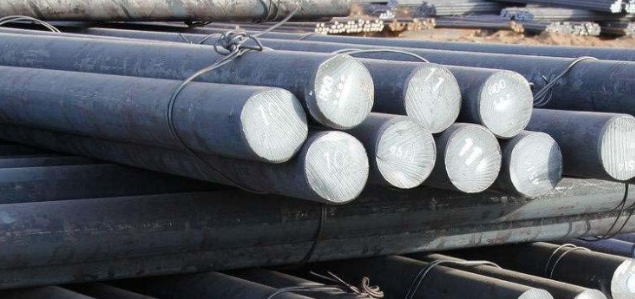
1. High Hardness and Red Hardness: After heat treatment, the working hardness can exceed HRC 63, with some high-performance grades reaching HRC 68–70. They maintain high hardness even at operating temperatures of 600°C—a key advantage distinguishing them from other tool steels.
2. High Wear Resistance: The presence of abundant carbides (such as tungsten carbide and vanadium carbide) within the steel provides exceptional wear resistance.
3. High Strength and Good Toughness: Proper heat treatment allows for an optimal balance of strength and toughness, enabling the material to withstand the impact and vibration encountered during cutting operations.
High-speed tool steel round bars are key materials for manufacturing the following products:
1. Cutting Tools: Drill bits, milling cutters, taps, reamers, broaches, gear hobs, gear shaping cutters, saw blades, etc.
2. Precision Dies and Molds: Cold-work dies, hot-work dies, stamping dies, screw-making dies, etc.
3. Other wear-resistant components include rolls, high-temperature bearings, and high-temperature springs.
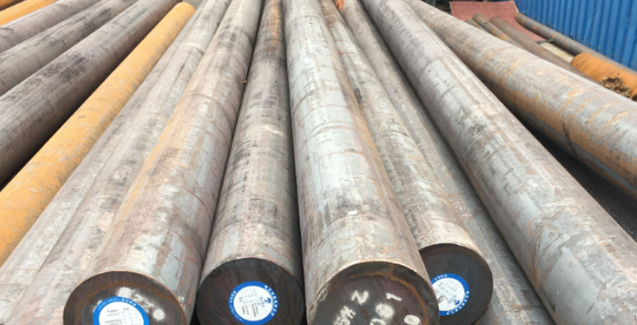
The global high-speed tool steel market is currently experiencing steady growth, with powder metallurgy high-speed steel representing a key area of development. Domestically, companies such as Tiangong International have secured a leading position in the global market. When selecting products, it is essential to comprehensively evaluate steel grades, manufacturing processes (electroslag remelting vs. powder metallurgy), and suppliers, taking into account factors such as the material to be machined, cutting conditions, and budget constraints.






|

|

|

|

|
| Timely Info | Independent | Platform | Multiple guarantees | Self-operated storage |
China Steel Market
Empowering small and medium-scale steel purchasing

| About us | Channel | Useful tools |
|---|---|---|
| About China Steel Market | Prices | Steel Weight Calculation |
| Contact Us | Answers | Why Choose Us |
| Terms & Conditions | Inventory | |
| Privacy Policy | Help |
Hot search words:
China Rebar prices China Wire Rod Prices Welded Steel Pipe Prices