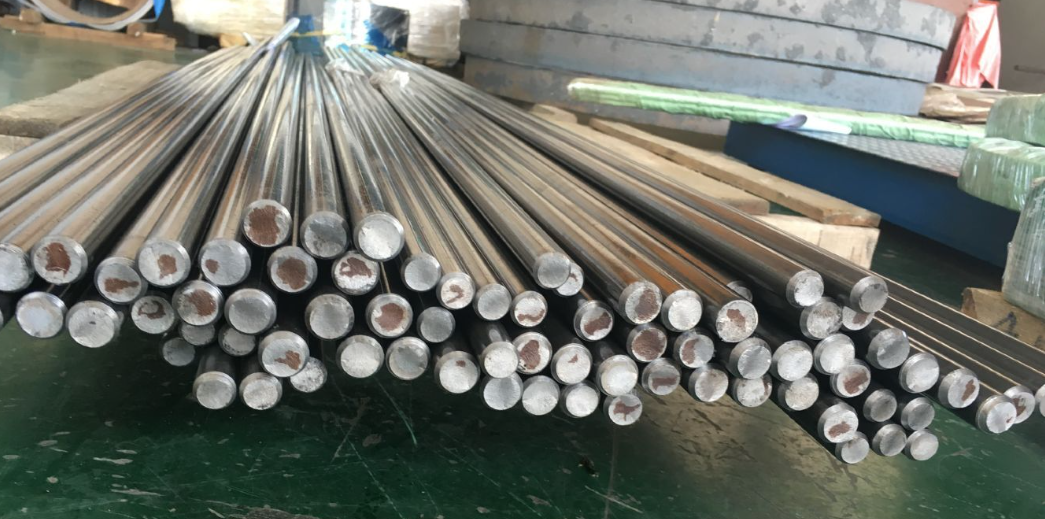

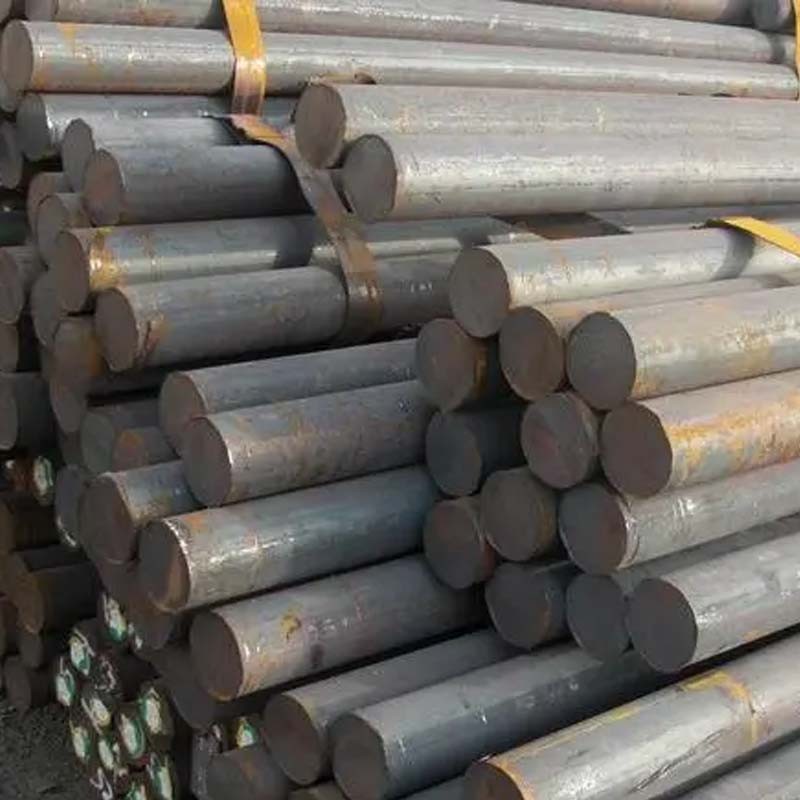
Carbon tool steel round bar is a steel material, but it is unalloyed. Carbon tool steel round bar is widely used in the design and production of molds and gauges. Carbon tool steel round bar is very special, is a mixture of various chemical materials, very easy to forge and the cost of chemical raw materials are relatively low, making the overall cost of carbon tool steel is also very low.
Characteristics of carbon tool steel round bar:
Carbon tool steel is inexpensive and readily available, easy to forge and form, and has good machinability. The main disadvantage of carbon tool steel round bar is poor hardenability, the need for water, brine or alkaline water quenching, distortion and cracking tendency is large, abrasion resistance and thermal strength are very low. Therefore, carbon tool steel can only be used to manufacture some small hand tools or woodworking tools, as well as precision requirements are not high, the shape is simple, small size, light load small cold working molds, such as for the manufacture of small punches, scissors, cold punching molds, cold upsetting molds and so on. In particular, it should be pointed out that carbon tool steel is suitable for cold heading mold, according to the working conditions of cold heading mold, mold material in addition to should have enough strength as well as mold surface and cavity should have enough hardness and hardened layer, also need to have enough toughness, so this kind of mold heat treatment requirements of the inner hole has a certain hardened layer and the external can not be hardened, so as to maintain a high degree of toughness. If the hardened layer is too deep, it will work under large impact and rapid cracking. But for the larger size, heavier load of cold heading mold, will also be due to the thin hardened layer and the matrix is too soft and indentation.
Advantages of carbon tool steel round bar
1. Good hardness and wear resistance. Carbon tool steel round bar has high hardness and wear resistance, and can maintain stable performance under high load and high friction conditions. This enables tools made of carbon tool steel round bar to maintain good cutting and impact performance for a long time in cutting, stamping and other processes, improving tool life and efficiency.
2. Excellent cutting performance. Carbon tool steel round bar has good cutting performance, can produce less heat and cutting force in the cutting process, reduce tool wear and deformation. This makes the cutting tools made of carbon tool steel round bar can realize high-speed, efficient cutting, improve productivity and product quality.
3. Good machinability. Carbon tool steel round bar has good machinability, easy to heat treatment and machining. This makes carbon tool steel round bar in the manufacturing process can be easily molding, cutting, quenching and other processes to improve manufacturing efficiency and product quality.
4. Economical and practical compared to other high-alloyed steel materials, carbon tool steel has a lower cost, so more economical and practical in practical applications. Carbon tool steel round bar can meet most of the requirements of tools and molds, and at the same time has a lower manufacturing cost, so it is widely used in various fields.
The use of carbon tool steel round bar
1. Manufacture of cutting tools carbon tool steel round bar has excellent hardness, wear resistance and cutting performance, so often used in the manufacture of a variety of cutting tools, such as drills, milling cutters, knives and so on. Cutting tools made of carbon tool steel round bar can maintain a long service life in the high-speed cutting process, and can obtain a high cutting efficiency.
2. manufacturing stamping die carbon tool steel round bar in the manufacture of stamping die also has a wide range of applications. Stamping dies need to have high hardness, strength and wear resistance, in order to withstand large pressure and frequent impact. Carbon tool steel round bar has these characteristics, so it is widely used in the manufacture of stamping molds for the production of automotive, home appliances, electronic products and other areas of the parts.
3. Manufacturing mold steel carbon tool steel round bar can also be used to manufacture other types of mold steel, such as plastic molds, die casting molds. These molds need to have high hardness and wear resistance to ensure that the service life of the mold and production efficiency. Carbon tool steel can meet these requirements, so it is widely used in the field of mold manufacturing.
4. Manufacture of mechanical parts carbon tool steel round bar can also be used to manufacture a variety of mechanical parts, such as bearings, gears, screws, etc. Carbon tool steel has good strength and wear resistance, can withstand large loads and friction, so it is suitable for the manufacture of mechanical parts, improve the service life and performance of mechanical equipment.
Carbon tool steel round bar has a wide range of uses and advantages. It plays an important role in the manufacture of cutting tools, stamping molds, mechanical parts, etc. It has good hardness, wear resistance, cutting performance and processing performance, as well as economic practicality. Carbon tool steel round bar is an indispensable material with an important position and application prospect in industrial production.






|

|

|

|

|
| Timely Info | Independent | Platform | Multiple guarantees | Self-operated storage |
China Steel Market
Empowering small and medium-scale steel purchasing

| About us | Channel | Useful tools |
|---|---|---|
| About China Steel Market | Prices | Steel Weight Calculation |
| Contact Us | Answers | Why Choose Us |
| Terms & Conditions | Inventory | |
| Privacy Policy | Help |
Hot search words: