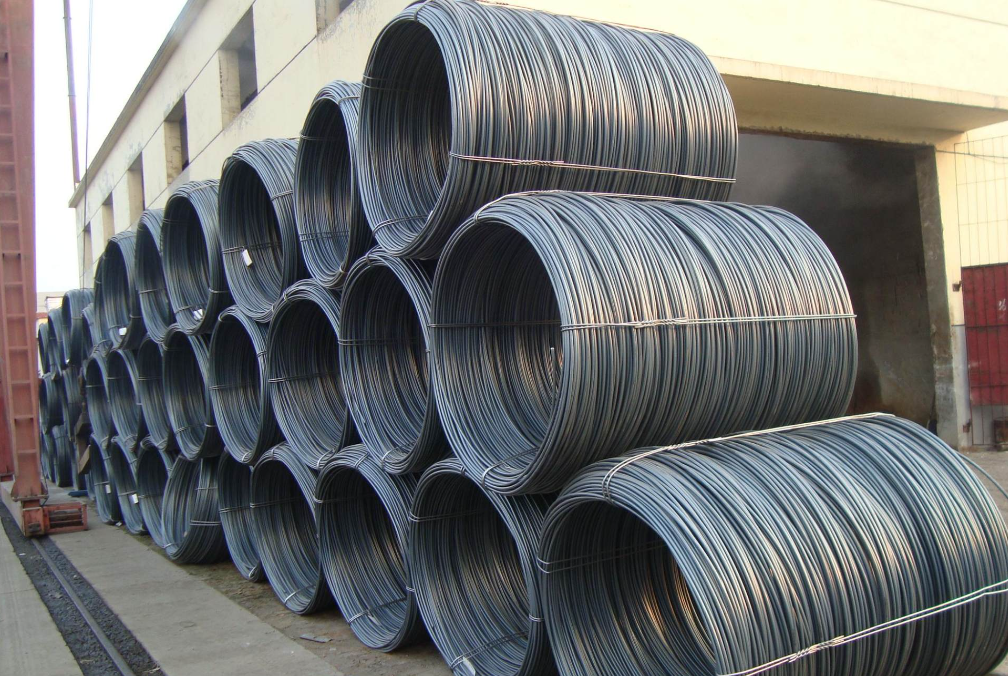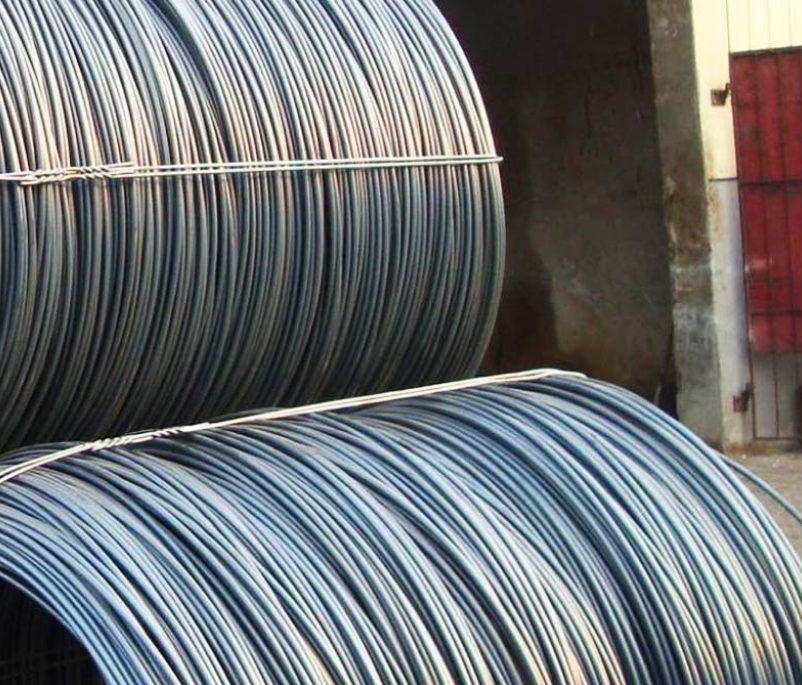

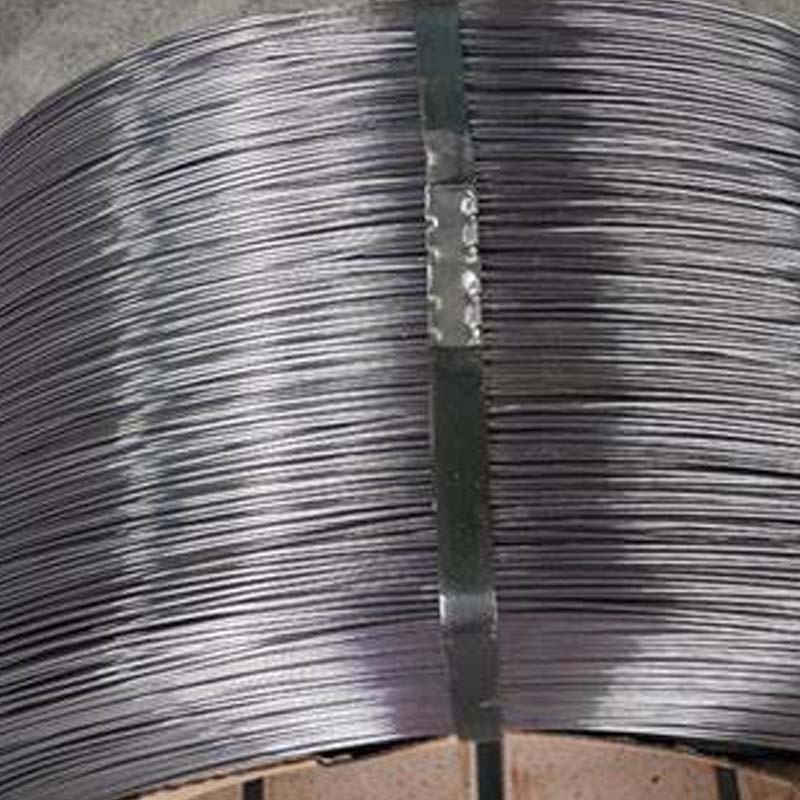
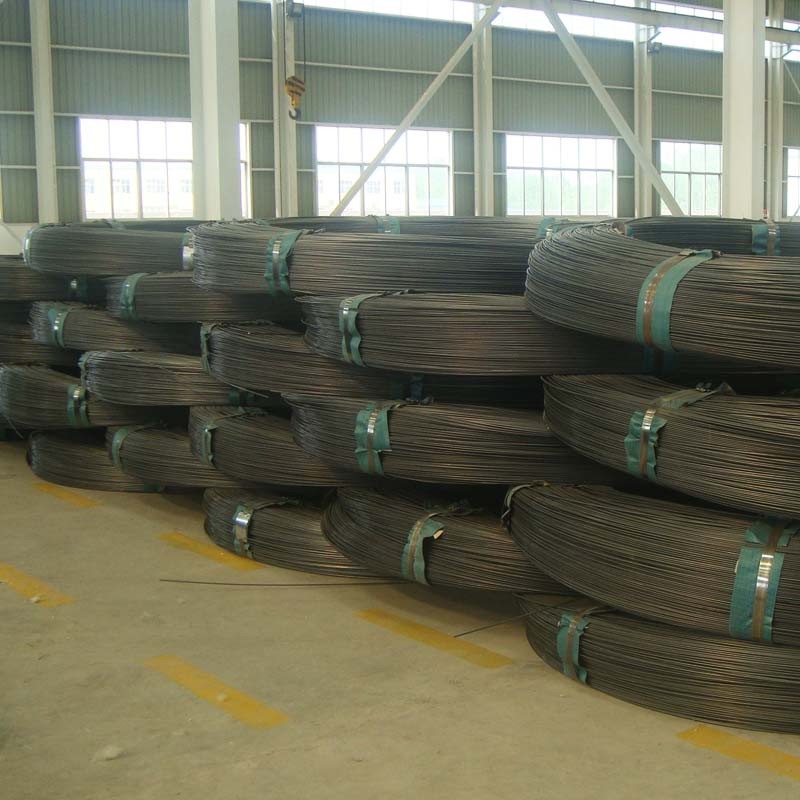
Bearing steel wire is a type of high-quality special steel wire rod—primarily made from high-carbon chromium bearing steel (such as GCr15)—that is hot-rolled on high-speed wire rod mills and supplied in coils. Typically ranging from Φ5.5 mm to Φ26 mm in diameter, it serves as the direct raw material for producing cold-drawn steel wire used in bearing rolling elements.
Unlike bearing steel round bars (supplied in straight lengths for bearing rings), the vast majority of bearing steel wire undergoes cold drawing and is used to manufacture rolling elements such as balls, rollers, and needle rollers.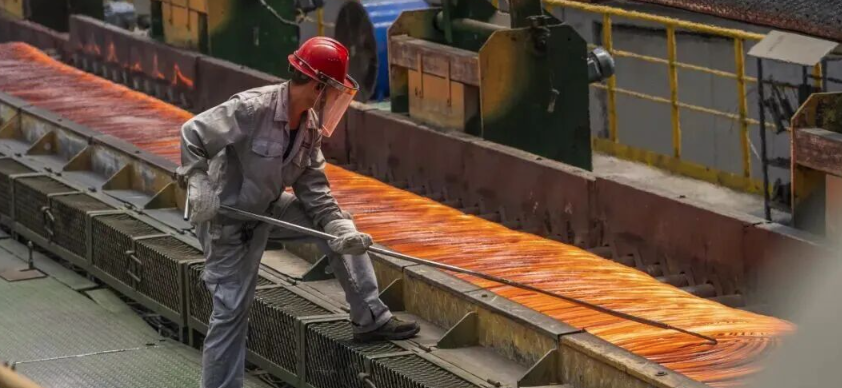
Bearing steel wire is typically made from high-carbon or alloyed steels that have been specially heat-treated to enhance their mechanical properties. These properties include high hardness, fatigue resistance, and good dimensional stability. The wire is drawn, formed, and further processed to achieve the required dimensions and properties for bearing applications.
Manufacturers carefully engineer bearing steel wire to ensure it meets the demanding requirements of various bearing applications, as different types of bearings (such as ball bearings, roller bearings, and thrust bearings) have unique load capacities, operational conditions, and performance expectations.
Performance Characteristics
While the core performance requirements for bearing steel wire align with those for bearing steel round bars, greater emphasis is placed on cold-drawing processability:
Core Performance
1. High hardness and wear resistance: Hardness reaches HRC 61–66 after quenching and tempering, ensuring a long service life for the bearing.
2. High contact fatigue strength: Capable of withstanding extremely high alternating loads.
3. Good spheroidizing annealing performance: Exhibits excellent cold-drawing properties after spheroidizing annealing, allowing for direct drawing into steel wire.
4. Stable composition and low levels of harmful elements: High steel purity, uniform carbide distribution, and minimal surface defects.
5. High dimensional accuracy: Controlled rolling ensures dimensional accuracy meets the h9 grade, with no surface cracks.
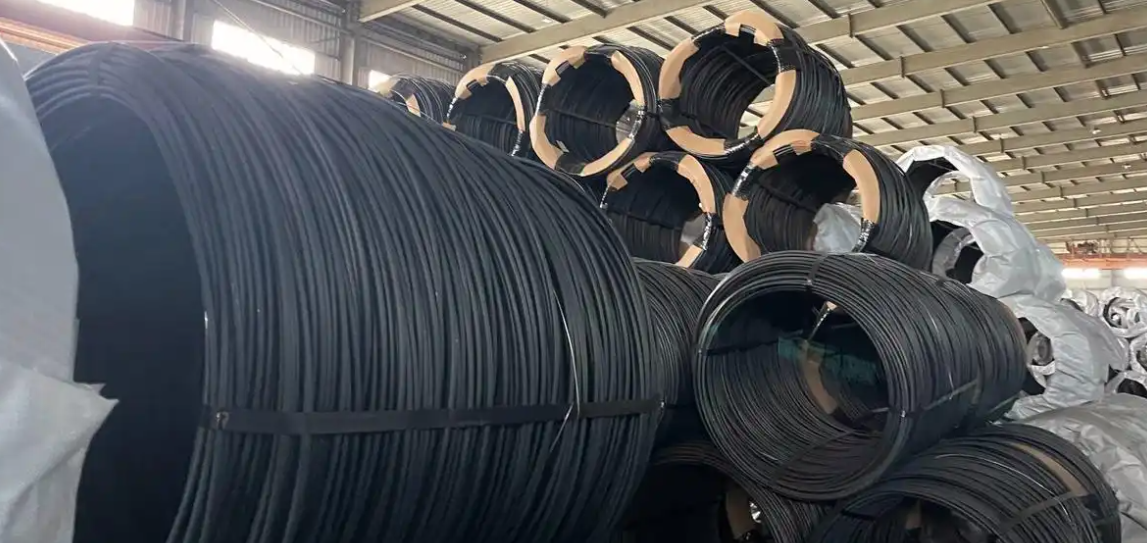
Bearing steel is primarily used to manufacture the rolling elements and rings of rolling bearings. Given that bearings must exhibit characteristics such as long service life, high precision, low heat generation, high-speed capability, high rigidity, low noise, and high wear resistance, the bearing steel itself is required to possess high and uniform hardness, a high elastic limit, high contact fatigue strength, adequate toughness, specific hardenability, and resistance to corrosion in atmospheric and lubricating environments.
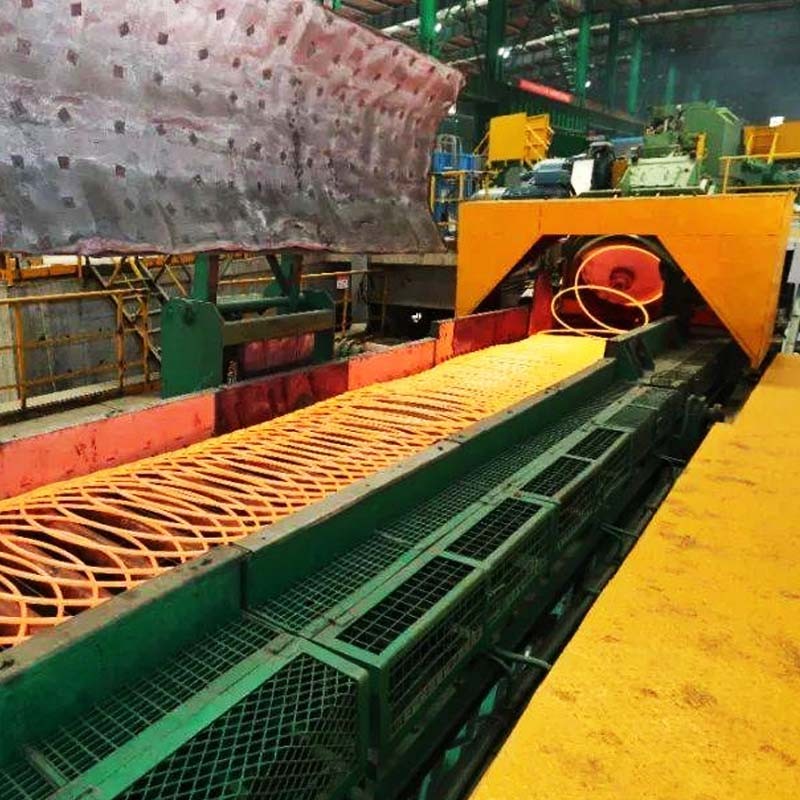
Bearing steel wire rod is a specialized high-quality steel product used to manufacture bearing rolling elements. GCr15 is the predominant grade, produced in accordance with the national standard GB/T 18254-2016. The core manufacturing process involves controlled rolling and controlled cooling; by precisely regulating rolling temperatures and cooling rates, the wire rod achieves an ideal pearlite-plus-carbide microstructure. This allows it to be drawn directly into bearing steel wire without intermediate annealing, while the carbide network rating is reduced by 0.5 to 1.5 levels compared to conventional rolling, thereby significantly enhancing fatigue life.



|

|

|

|

|
| Timely Info | Independent | Platform | Multiple guarantees | Self-operated storage |
China Steel Market
Empowering small and medium-scale steel purchasing

| About us | Channel | Useful tools |
|---|---|---|
| About China Steel Market | Prices | Steel Weight Calculation |
| Contact Us | Answers | Why Choose Us |
| Terms & Conditions | Inventory | |
| Privacy Policy | Help |
Hot search words:
China Rebar prices China Wire Rod Prices Welded Steel Pipe Prices