


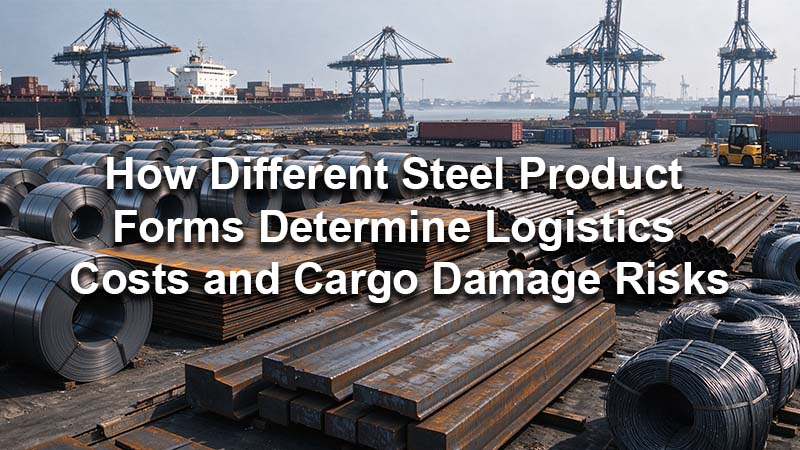
In international procurement, many procurement personnel habitually focus only on the unit price in the supplier's quotation. However, in reality, the real core cost is not the unit price, but whether the base price, processing fee, and logistics surcharge can be clearly broken down and calculated. Throughout the supply chain, shipping companies, freight forwarders, and insurance companies never charge by the ton. Instead, the charges are based on the container's volume and weight limits; hoisting equipment is charged based on "size" and "center of gravity"; and cargo damage during sea transport depends entirely on the physical condition and packaging conditions of different types of steel during actual transportation.
The same weight of steel can have vastly different loading efficiencies depending on its shape. Steel coils can be stacked tightly to fill the container, while steel pipes and irregular profiles may result in a lot of wasted space, which leads to high freight costs. Even more dangerous is mixed loading. If heavy steel coils are pressed onto thin plates, there is a high probability that they will face serious crush damage and claims disputes after arriving at the port.
This article will systematically explain how different steel product forms determine your logistics costs and risk of damage.
Most international buyers, when comparing quotes from suppliers, typically use "USD per metric ton" as a common benchmark. This convention is deeply entrenched because steel is naturally traded and settled by weight (tonnage), and quotes whether under FOB, CFR, or CIF terms consistently present all product categories in this same format. However, logistics costs do not scale linearly with weight; they are governed by a more fundamental physical reality: different forms of steel products "consume" space within a shipping container in entirely different ways.
The most direct evidence for this is the "stowage factor", the volume of space occupied per metric ton of cargo. Stowage factors vary significantly across steel product types: approximately 0.45–0.51 m³/t for steel plates, 0.57–0.62 m³/t for bundled round bars, 0.79–0.84 m³/t for I-beams, 0.84–1.13 m³/t for wire rod coils, and as much as 1.13–1.69 m³/t for bundled steel pipes. In other words, a single ton of steel pipes can occupy more than 2.5 times the space of a ton of steel plates. This disparity is often obscured in ocean freight billing, as it is masked by the use of an averaged "freight cost per ton" pricing model.
Stowage factors for different types of steel
| Cargo stowage factor | ||||||
| No. | Commodity | Packaging | Stowage Factor (m³/t) | |||
| Packaged | Bulk | |||||
| 1 | Iron ore | Bulk | 0.45-0.51 | |||
| 2 | Wire rod | Coil | 0.84-1.13 | |||
| 3 | Round bar | Bundle | 0.57-0.62 | |||
| 4 | Square bar | Bundle | 0.51-0.57 | |||
| 5 | I-beam | Bundle | 0.79-0.84 | |||
| 6 | Channel steel | Bundle | 0.84-0.91 | |||
| 7 | Steel plate | Sheet | 0.45-0.51 | |||
| 8 | Steel pipe | Bundle | 1.13-1.69 | |||
| 9 | Aluminum ingot | Ingot/Block | 0.84-0.91 | |||
| 10 | Cast iron pipe | Piece | 1.42-3.68 | |||
The underlying mechanism for this concealment lies in the fact that shipping containers are subject to both weight and volume limits, constraints that vary depending on the specific form of the steel being transported. A standard 20-foot container has a legal weight limit of approximately 28 metric tons and an internal volume of about 33 cubic meters. If such a container is loaded with 25mm-thick A36 steel plates, it will reach its 28-ton weight limit while utilizing only about 30% of its internal volume; a significant amount of space remains, yet no further cargo can be added due to the weight restriction. Conversely, thin-walled steel pipes or small-diameter tubing may fill the entire available volume long before the weight limit is reached, leaving the remaining weight capacity entirely unutilized. As summarized in international logistics and shipping guidelines: while steel shipments typically hit the weight limit first, the specific limit reached, whether weight or volume, depends entirely on the form of the product.
Container Weight Limits
| Container Type | Internal Volume | Max Payload (kg) | Max Payload (tonnes) | General Use |
| 20ft General Purpose (Dry) | 33.1 m³ | 21,750–28,250 | 21.7–28.3 | Heavy products: plates, bars, coils |
| 40ft General Purpose (Dry) | 67.7 m³ | 26,510–28,750 | 26.5–28.8 | Light products: pipes, tubes, plates |
| 40ft High Cube (HC) | 76.3 m³ | 26,510–28,750 | 26.5–28.8 | Oversized products: long pipes, grating |
| 20ft Open Top (OT) | 33.1 m³ | 21,750–28,250 | 21.7–28.3 | Over-height cargo: large coils, plate stacks |
| 20ft Flat Rack (FR) | – | 22,000–31,000 | 22–31 | Over-width/Over-length cargo: extra-long bars |
For specific information regarding shipping containers, please see:The Brief Summary of Common Container Knowledge
Differences in the loading characteristics of various steel products also influence the logic behind selecting a 40-foot container. While a 40-foot container offers twice the volume of a 20-foot container, its maximum payload capacity is less than 10% higher, approximately 21.7–28.3 tonnes for a 20-foot container, compared to about 26.5–28.8 tonnes for a 40-foot container. For weight-constrained goods such as steel plates, coils, and straight bars, switching to a 40-foot container provides virtually no gain in tonnage capacity, yet incurs higher container costs. A 40-foot container is only cost-effective when transporting lighter products, such as thin sheets or small-diameter pipes, where the weight limit is only reached once the volume utilization exceeds 80%. If a buyer fails to differentiate container strategies based on the physical form of the cargo and instead estimates freight costs solely by "tonnes per container," they are effectively comparing "apples to oranges."
(Because the global maximum gross weight for a container, including its own weight is 30.48 tonnes, a 20-foot container, being smaller and lighter, leaves more capacity for the cargo itself; conversely, a 40-foot container, being larger and requiring more material, has a higher tare weight, thereby reducing the capacity available for the cargo.)
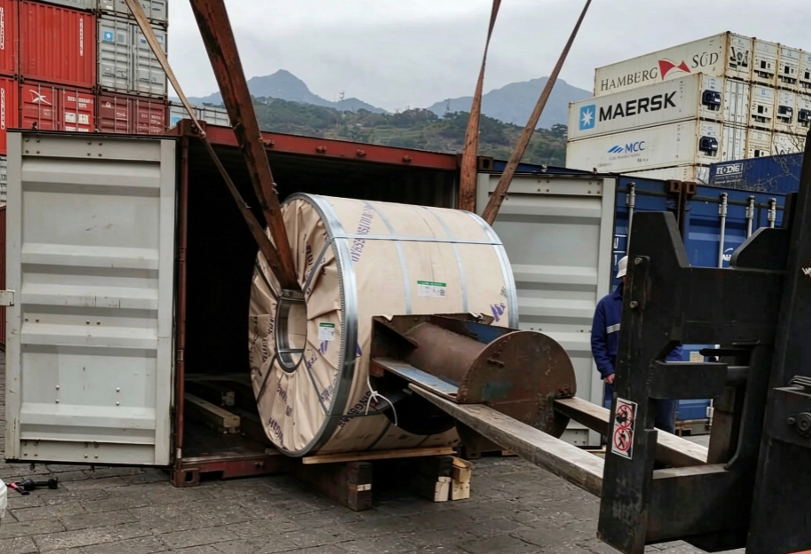
In the cross-border logistics of steel products, beyond explicit ocean freight charges and customs duties, there exists a more subtle layer of cost variance.
Allocation in Mixed Shipments: When heavy cargo (such as steel plates) and light, bulky cargo (such as steel pipes) are shipped together, allocating freight costs based solely on weight or volume is inherently unfair. In practice, a compromise often a ratio of 70% weight and 30% volume is used to better reflect the actual transport resources consumed. Consequently, even if products have the same FOB unit price, their true logistics costs will diverge further when shipped as a mixed load.
Handling Operations: Different steel products require specific handling methods: coils need specialized clamps; straight bars require lifting gear; plates need flat pallets; structural steel requires multi-point lifting to prevent distortion; and pipes require dedicated slings to avoid damaging the pipe ends. These variations in equipment and labor translate into different Terminal Handling Charges (THC). If one were to budget for thin-walled pipes using the "per-ton handling cost" applicable to steel plates, the actual invoice would inevitably exceed expectations.
Terminal Handling Charges (THC) and other local fees are unavoidable costs at Chinese ports. These include THC, documentation fees, customs declaration fees, and inspection charges. The exact costs vary depending on the port, the mode of transport, and the type of container used.
THC is a standard, mandatory fee at all Chinese ports. For Full Container Load (FCL) shipments, the THC typically ranges from $120 to $250 per 20-foot container in Shanghai, and from $130 to $240 per 20-foot container in Shenzhen. For Less than Container Load (LCL) shipments, THC is calculated based on volume (in cubic meters, or CBM), which often results in a higher unit cost.
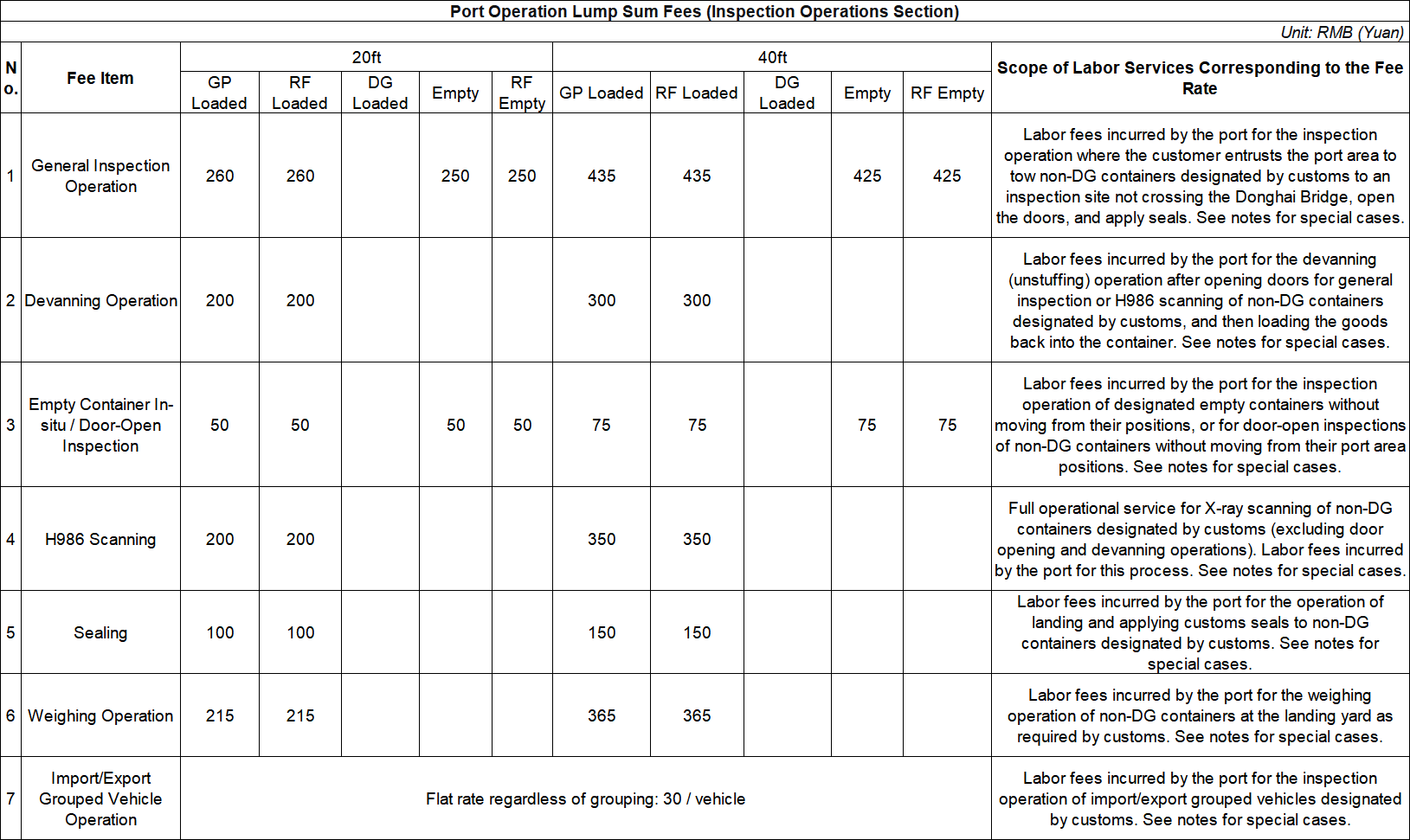
Notes:
1.The fee rates for 45ft, 48ft, and 53ft containers are 1.25, 1.35, and 1.5 times the corresponding rates for 40ft containers, respectively.
2.Based on differences in actual inspection operational steps and service contents, when operational steps or service contents are reduced, appropriate discounts may be granted on the port operation lump sum fees.
3.The port operation lump sum fees for inspection operations will be comprehensively charged based on actual operational steps and inspection items. The standards involved in the inspection shall still be executed according to the original regulations.
Shanghai Port Cargo Handling Fee Schedule
The high-freight-cost environment of 2026 further amplifies the consequences of these variations in product form. Currently, ocean freight costs for standard carbon steel shipped from major Chinese ports to the U.S. West Coast range from $85 to $112 per ton, while shipments to the U.S. East Coast fall between $128 and $156 per ton, with Bunker Adjustment Factors (BAF) accounting for, on average, 18% to 35% of the total freight cost.
When freight rates are both high and highly volatile, the practice of allocating costs on a "per-ton" basis exponentially magnifies the cost discrepancies stemming from differences in product form. For a product category with 20% lower loading efficiency, the additional costs incurred during a period of rising freight rates far outweigh any potential discounts secured on the FOB (Free on Board) unit price.
Consequently, product form serves as the primary determinant of logistics costs, taking precedence over freight rates or the choice of shipping line. Comparing costs solely on a per-ton basis, without accounting for product form, means looking only at figures on a price quote, rather than the actual costs incurred upon the cargo’s arrival. Subsequent sections will break down the specific differences among five primary steel product forms, covering aspects such as loading, packaging, mixed-cargo stowage, and landed-cost calculations. Yet, the root of all these differences lies right here: behind the seemingly neutral unit of measurement, "one ton", there exist distinct logistics and transportation costs driven by the specific form of the product and the methods required for its handling and stowage.
The loading efficiency of steel products is typically evaluated across four core dimensions: volumetric utilization (stowage factor), weight utilization, handling efficiency, and stackability. Due to variations in shape, density, and packaging methods, loading efficiency varies significantly across different product categories. For shipping lines and freight forwarders, the assessment of loading efficiency boils down to two primary constraints: the payload limit (weight) and the cubic capacity limit (volume).
Furthermore, the root cause of cargo damage claims often lies not in the material itself, but in the packaging and securing processes. Both the Britannia and Steamship P&I Clubs have identified cargo shifting during adverse weather, rough handling, inadequate dunnage, and corrosion as the primary culprits. Consequently, investment in packaging must be targeted at the specific points most susceptible to failure for each product type. Finished steel products are highly sensitive to surface damage, whereas semi-finished steel and raw materials, such as slabs, billets, and hot-rolled coils are more tolerant of minor surface imperfections but are highly vulnerable to moisture-induced corrosion.
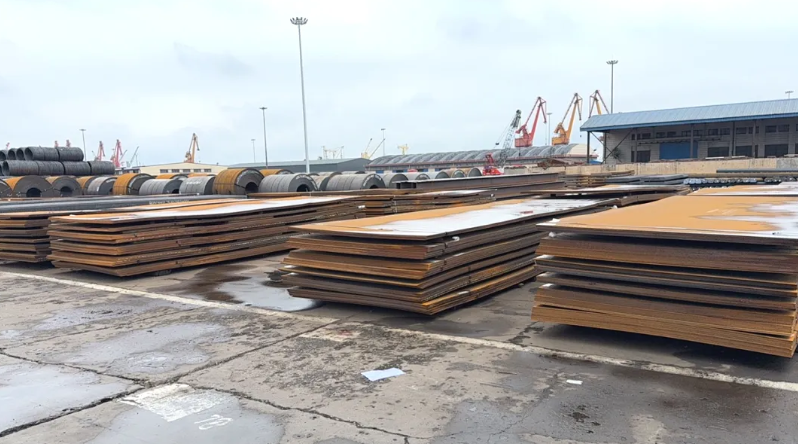
2.1 Steel Sheets/Plates
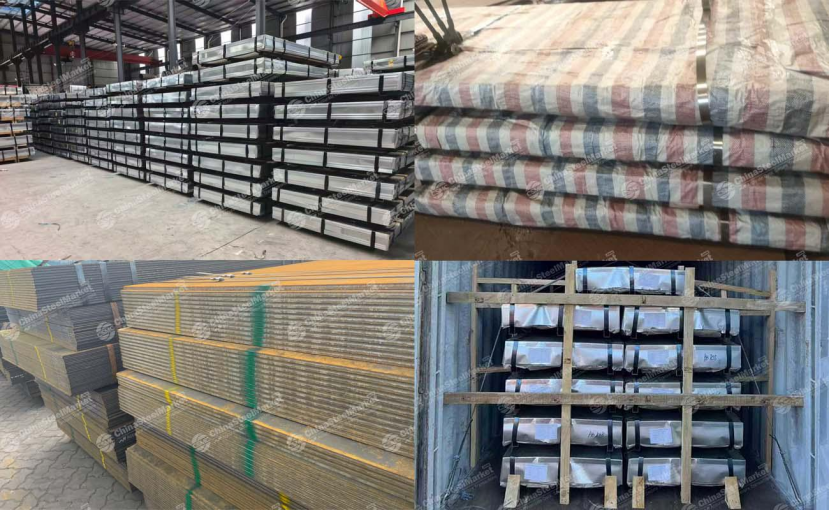
Loading Efficiency and Procedures: Steel sheets are laid flat on wooden dunnage and secured with steel strapping at intervals of 1.5–2 meters. For 20-foot containers, the width of the sheets must not exceed 2,350 mm (the internal width of the container). The stacking height is limited by the container’s payload capacity—typically 4–8 sheets, depending on their thickness. Corner protectors should be used to prevent damage from the steel strapping.
Cargo Damage Risks and Prevention: Risks primarily involve edge damage and inter-layer corrosion. Claims frequently arise from edge impacts during forklift operations or damage caused by lifting gear. For cold-rolled or coated/plated sheets, even a minor scratch on the edge can lead to the entire bundle being downgraded.
Packaging Requirements: L-shaped rigid corner protectors must be applied to all four vertical corners of the stack, and full-length edge protectors should be placed along the long sides. Moisture-proof paper must be inserted between the layers. While the cost of this packaging is negligible compared to the value of the cargo, omitting any of these measures could result in the entire shipment being rejected.
2.2 Steel Pipes
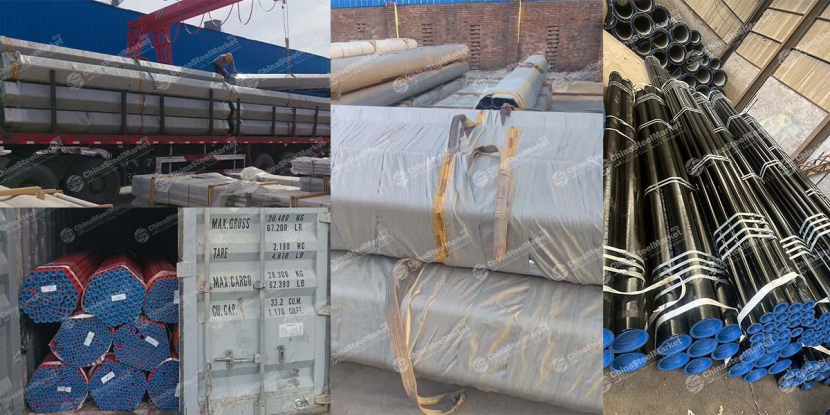
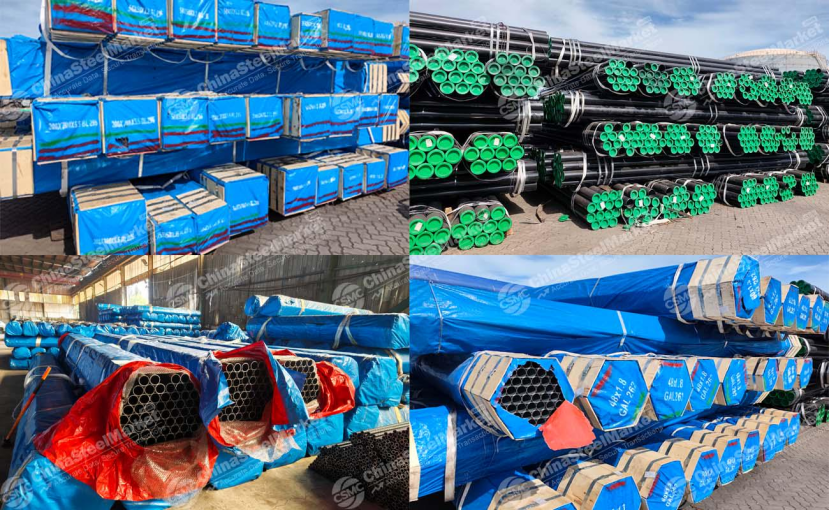
Loading Efficiency and Methods: Steel pipes are loaded in bundles, which can be stacked in parallel (nested) or in a crisscross pattern. 6-meter-long pipes can be loaded into 20-foot containers, while 12-meter pipes require 40-foot containers or flat-rack containers. Small-diameter pipes, when shipped in bulk, can be "nested" to improve loading efficiency. Large-diameter pipes, however, consume significant space, are highly prone to rolling within the ship's hold, and require time-consuming lashing. The ends of seamless steel pipes must be protected with plastic caps to prevent denting. Pipes should be secured with 3–4 binding points, using wooden spacers between them to prevent collisions.
Cargo Damage Risks and Prevention: The primary risks include deformation of pipe ends and exclusions from insurance coverage for "unpacked" (bare) cargo. If pipe ends are dented or become oval-shaped due to impact, they may no longer be suitable for butt-welding or threaded connections. In one instance involving steel pipes exported to Thailand, rough handling resulted in 213 pipes being bent, leading to repair costs exceeding $54,000.
Packaging Requirements: The ends of seamless steel pipes must be protected with plastic caps. A critical warning: insurance policies often contain an exclusion for "deformation of unpacked cargo." In a case involving steel pipes exported to Jordan, the insurance company denied a claim for deformation damage because the pipes were shipped unpacked and the required packaging standard had not been specified in the contract. Therefore, both pipe-end protection and the specific packaging standard must be clearly stipulated in both the sales contract and the insurance policy.
2.3 Coils
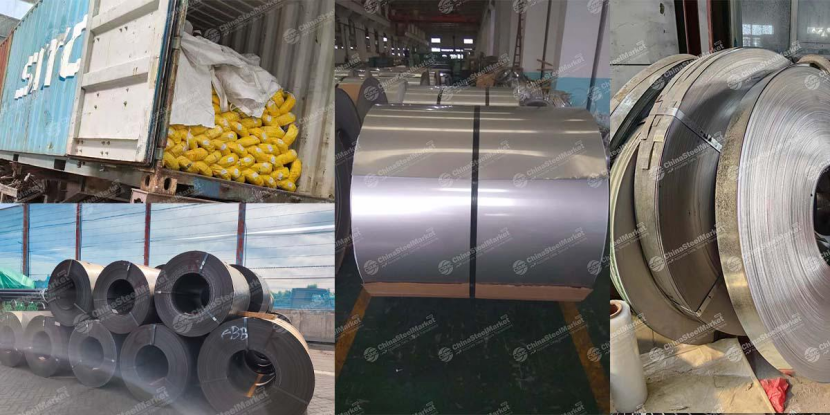
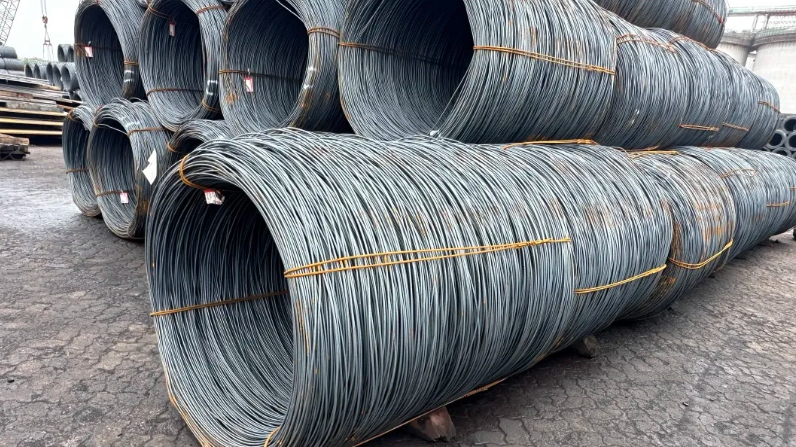
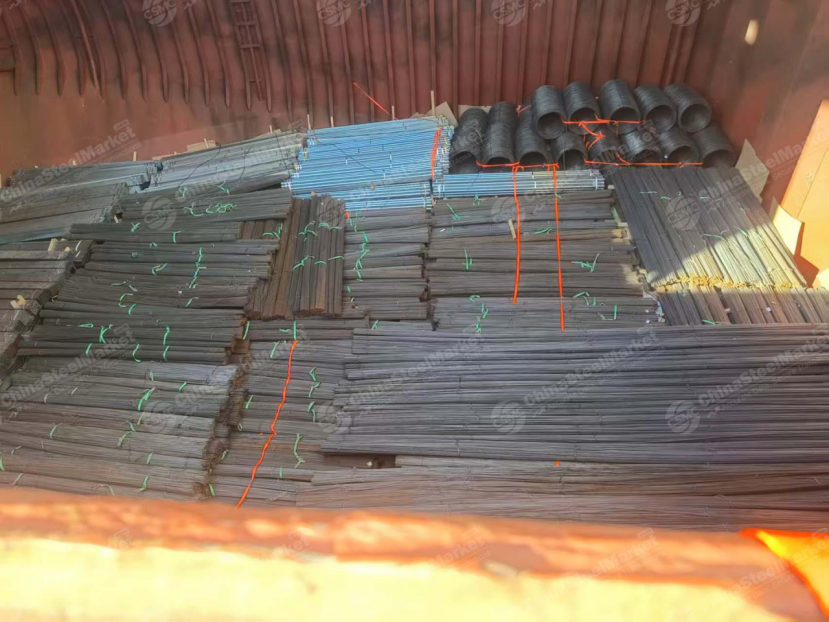
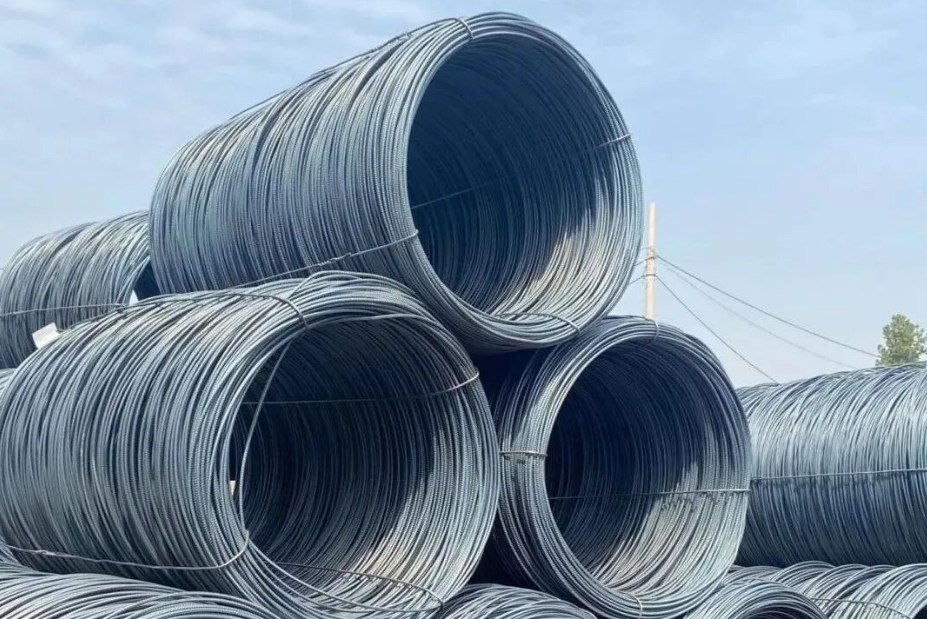
Steel coils are placed upright on cradles (with the eye oriented vertically), while narrow coils are laid flat (with the eye oriented horizontally). The maximum weight of steel coils per 20-foot container is typically 20–25 tonnes (comprising 1–2 coils). For stowage aboard vessels, coils should be stowed transversely (with the coil core aligned in the fore-and-aft direction) on dunnage; gaps between coils must be minimized, and the cargo should be properly secured using wooden wedges, locking coils, and steel strapping.
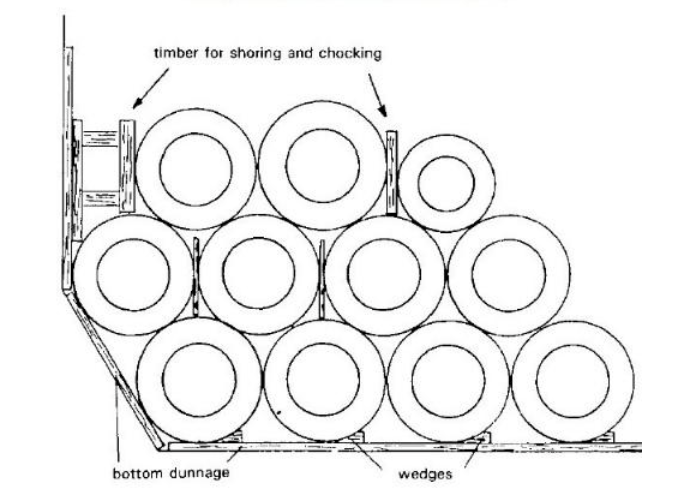
Risks of Cargo Damage and Loss Prevention: ① Improper lashing leading to the shifting of steel coils; ② Insufficient lashing strength to withstand wind and waves, resulting in cargo damage; ③ Uneven weight distribution causing damage to the container floor.
Packaging Requirements: For wire rods and coiled rebar, chloride ions in seawater can easily trigger severe corrosion. If moisture protection is required, buyers may request that the seller use moisture-proof packaging (such as VCI anti-corrosion film) combined with dunnage (wooden supports) to strictly control localized point loads.
2.4 Straight Bars and Structural Sections
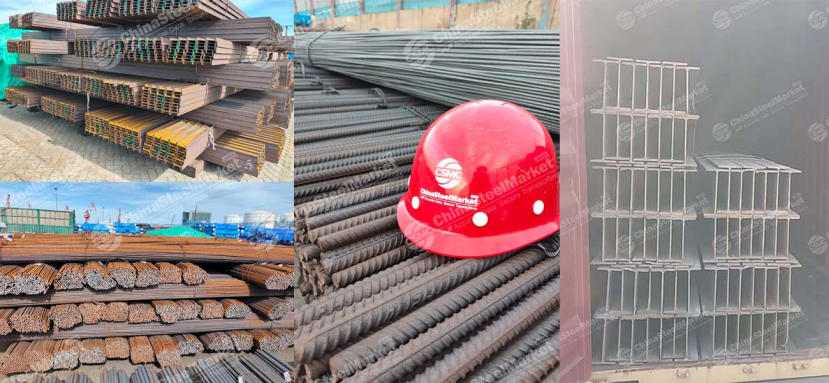
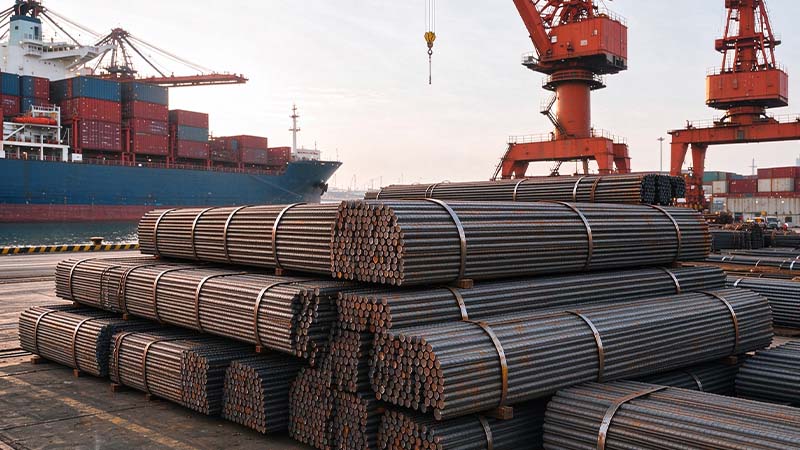
Steel bars/structural sections, such as round bars, flat bars, channel steel, and I-beams are bundled and secured with straps. 6-meter-long bars can be loaded into 20-foot flat racks, while 12-meter-long bars require 40-foot flat racks. Bundled bars are placed on wooden dunnage, with cardboard inserted between layers to prevent surface scratching. Angle steel and channel steel are stacked in an interlocking (staggered) pattern to ensure compact loading.
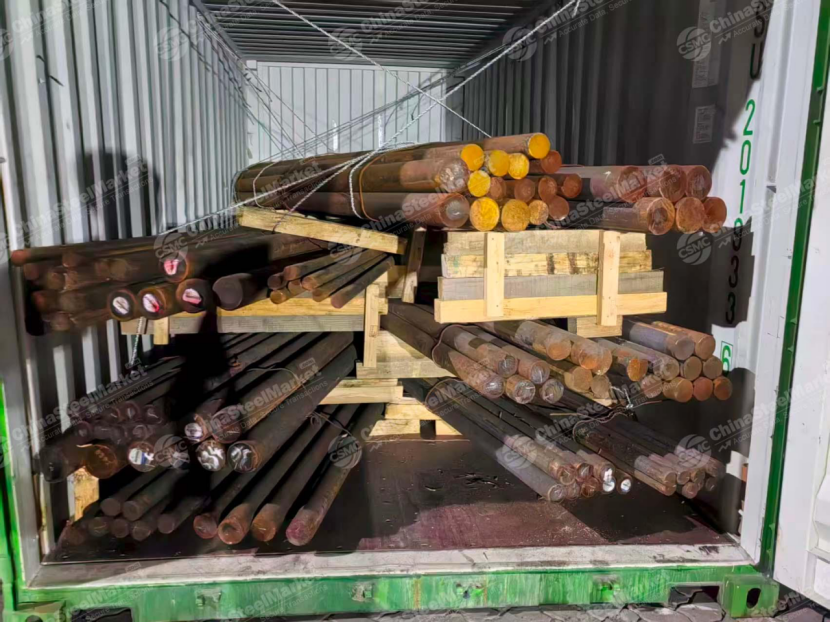
Cargo Damage Risks and Prevention: The primary risks are the disintegration of bundles and damage to the ends of the steel bars. Deformed steel bars (rebar) and round bars are delivered in bundled units; if steel strapping loosens during lifting, the entire bundle may fall apart. This leads to a sharp drop in unloading efficiency, and disputes frequently arise over who should bear the costs for the equipment, labor, and delays required for re-bundling. Furthermore, if steel wire ropes used for lifting press against the ends of the bars, any resulting indentations that exceed the allowance for subsequent machining will render the affected bars scrap.
Packaging Requirements: The focus should not be on full-coverage rust protection, but rather on the strength of the bundling and the protection of the bar ends. Technical recommendations include limiting the weight of each bundle to 2–2.5 metric tons and securing each bundle with six steel wire ties (each tie consisting of two strands twisted three times). Additionally, protective corner guards should be installed at the ends, and designated lifting points must be clearly marked.
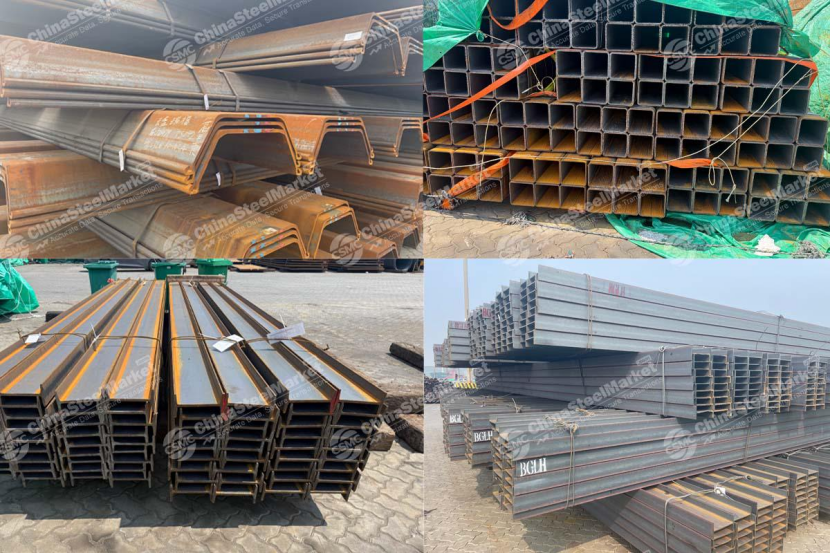
2.5 Causes of Damage to Steel Cargo
In maritime shipping, damage to steel cargo typically arises from various factors, including seawater wetting, condensation ("sweat"), and physical damage.
Such damage is often the result of a combination of issues, such as rough handling during loading and unloading, inadequate dunnage, failure to stow and secure cargo in accordance with an approved Cargo Securing Manual (CSM), severe rolling and pitching in adverse weather, ingress of rainwater or seawater into the holds, improper moisture control, or insufficient preparation of the cargo holds. Consequently, it is crucial to develop sound stowage plans, implement proper cargo securing, ensure the weathertight integrity of hatch covers, maintain effective moisture control, monitor the condition of the cargo, and keep thorough documentation. These measures are essential for protecting steel cargo and mitigating the risk of damage.
Seawater Wetting
Damage to steel cargo caused by seawater is a relatively common occurrence. During a voyage, vessels may frequently encounter waves washing over the deck; if the hatch covers lack proper weathertight integrity, water can easily penetrate the holds often leaving visible water marks on the bulkheads and damaging the steel. Alternatively, seawater may backflow into the holds through the bilge wells, contaminating the steel cargo stowed at the bottom. To verify seawater damage, a silver nitrate test is typically employed: if the solution turns cloudy white upon contact with rusted areas on the steel, indicating a positive result, it is highly likely that the cargo has been affected by seawater.
Condensation ("Sweat")
"Sweat" refers to moisture accumulation resulting from either the ship’s structure ("ship sweat") or the cargo itself ("cargo sweat"). Unlike seawater wetting, condensation will not produce a positive result in a silver nitrate test. Nevertheless, moisture adhering to the surface of steel cargo over the course of a long voyage can lead to corrosion. Furthermore, upon discovering such moisture-related damage, consignees may demand security (such as a letter of undertaking) and subsequently file claims for damages. Physical Damage
Damage Occurring Prior to Shipment
Between the time goods leave the factory and the moment they are loaded onto a vessel, they undergo various processes, such as transportation, warehousing, and handling during which damage may occur. Consequently, it is not uncommon for goods to be found damaged before loading. If such damage goes undetected at the time of loading, the carrier may face claims from the consignee.
Improper Handling
Rough or improper handling by dockworkers during loading and unloading operations frequently results in damage to cargo. Much of the damage sustained during these processes is difficult for the ship’s crew to detect.
Mixed loading is a common option in steel exports. It involves shipping various specifications or forms of steel products within a single container, effectively utilizing the remaining space or weight capacity that would otherwise be left empty when shipping only one type of product. Mixed loading can improve container utilization, reduce the number of shipments, lower logistics costs, and ultimately maximize overall profit. However, it can also lead to reduced loading and unloading efficiency, potential cargo damage, complex stowage planning, uneven weight distribution, and various safety risks.
| Cost Dimension | The Gains of Mixed Loading | Potential Costs and Risks |
| 1. Transport & Loading | Heavy cargo combined with light/bulky cargo maximizes both weight and volume utilization, significantly reducing per-ton freight costs; consolidating multiple orders reduces fixed booking and port charges. | Stowage planning is time-consuming, and Center of Gravity (CoG) control is highly difficult (prone to over-weight or unbalanced loads); hoisting and alignment of irregularly shaped steel are difficult, increasing loading/unloading labor hours by 30%–80%. |
| 2. Packaging & Damage | Sharing securing materials like dunnage and steel straps across the whole container; unified protection reduces consumable costs and minimizes the movement of individual items. | Scratches from sharp corners, and deformation or paint loss caused by heavy cargo crushing light cargo; mixed loading of carbon steel and stainless steel can cause iron ion contamination; customized barrier protection is required, causing auxiliary material costs to soar. |
| 3. Warehousing & Mgmt | Consolidation of multiple product categories reduces stock transfers; unified documentation and fleet dispatch improve collaborative efficiency. | Zoning and segregation are required within the warehouse; sorting, tallying, and verification workloads double; highly prone to mixed specifications or wrong shipments; defining liability in abnormal disputes becomes difficult. |
| 4. Customs & Compliance | Sharing the fixed procedural costs of customs declaration and inspection; unified application for the Certificate of Origin (COO) and insurance reduces fixed documentary expenses. | Declaring multiple HS codes is highly prone to classification errors; if a single product category triggers a customs inspection, the entire container will be detained (incurring high demurrage and storage fees). |
| 5. Delivery & Acceptance | Single receipt and single customs clearance for the customer, reducing destination port management costs; one-stop delivery enhances order competitiveness. | Restricted unloading sequence (heavy cargo at the bottom is difficult to unload); the customer requires secondary sorting; a quality dispute in a single category can easily delay the signing and acceptance of the entire batch. |
| 6. Insurance & Claims | Unified insurance for the whole container sharing the premium base, lowering the insurance cost for small-value cargoes. | Liability for mixed cargo damage is ambiguously defined, making it highly likely for insurance companies to reject claims or increase premiums on the grounds of "improper stowage and securing"; high-risk combinations may even be denied coverage. |
| Risk Category | Core Manifestations | Potential Consequences |
| 1. Safety | Round pipes/steel bars not locked in place, causing lateral rolling; High-density heavy cargo concentrated in one area, exceeding the container floor's load-bearing limit. | Smashing container doors or causing maritime accidents; Floor rupture leading to total collapse and scrapping of cargo; Facing astronomical claims from shipping lines. |
| 2. Quality | Sharp-cornered sections (e.g., channel steel) scratching galvanized pipes/stainless steel; Heavy cargo crushing thin-walled pipes; Contact between carbon steel and stainless steel causing iron ion contamination. | Large-scale rusting or deformation of high-value steel; Customer rejection, returns, and full claims; Damage to long-established brand reputation. |
| 3. Handling | Frequent changes of lifting gear required for different cross-sections; Tiered segregation and securing significantly prolonging loading/unloading time. | Loading/unloading labor hours surge by 30%–80%; Missing the cut-off time, resulting in container roll-overs (shut-out); Incurring high demurrage fees and labor costs. |
| 4. Inventory | Multiple specifications mixed together making tallying difficult; Batches are mixed up, causing quality traceability to fail. | Wrong or missed shipments leading to restocking and round-trip freight costs; Unable to trace the source of quality issues (factory and shipping company passing the buck). |
| 5. Delivery | In order to unload the bottom heavy cargo, the upper light cargo must be unloaded first; Deconsolidation for multiple customers in a shared container is extremely slow. | Disrupting the customer's construction schedule; Stagnation of unloading at the destination port causing storage fees; Triggering contractual delay penalties. |
| 6. Hidden Costs | Only calculating the "saved ocean freight" while omitting additional securing lumber (dunnage), tallying labor, and the high probability of cargo damage depreciation. | "Saving freight but losing profit"; In the event of an insurance claim rejection, directly impacting corporate cash flow. |
Establish a product classification management system based on factors such as cross-sectional shape, dimensions, weight, length, material type, and surface requirements. Categorize products into groups, such as those suitable for mixed loading, those suitable for mixed loading under specific conditions, and those for which mixed loading is not recommended, and define the corresponding loading requirements for each category.
| Procurement Scenarios | Recommended for Mixed Stowage | Core Reasons and Professional Assessment |
| Multiple steel products, small batch procurement | Suitable | Overcomes the weight or volume constraints of a single-category FCL (Full Container Load); significantly reduces per-ton comprehensive logistics costs by consolidating fragmented orders. |
| Multiple types of section steel needed for the same project | Suitable | Facilitates the bundled shipment of project materials, reduces the complexity of multiple bookings, and avoids multiple pickup fees at the destination port, thereby enhancing supply chain efficiency. |
| Delivery times of different products are close | Suitable | Beneficial for consolidated shipments, reducing documentation operations, port warehousing, and demurrage/storage fees associated with multiple shipments. |
| Mixed stowage of different steel grades/coating materials | Use with Caution | Physical friction can easily damage galvanized coatings; moreover, contact between carbon steel and stainless steel/galvanized parts can easily trigger electrochemical corrosion, requiring strict physical segregation. |
| Excessive dimensional differences in steel products | Requires Assessment | Highly prone to creating dead space, leading to reduced space utilization; stacking irregular shapes significantly increases the difficulty of designing the Loading Plan and securing time. |
| Over-length, over-width, or over-weight products | Requires Special Planning | Highly prone to exceeding dimension limits, facing extremely high special equipment (OOG - Out of Gauge) rental fees or breakbulk vessel freight; extremely high risk of center of gravity deviation. |
| Products with exceptionally high surface quality requirements | Use with Caution | For products like color-coated sheets and cold-rolled coils, impacts, heavy-on-light compression, and strap marks during mixed stowage can cause irreversible surface degradation. |
| Involving different customs regulatory conditions | Not Recommended | Mixing statutory inspection (CIQ) or license-controlled goods with general cargo is highly prone to triggering customs targeting and inspections. Once devanned, the compliance risk and devanning costs are extremely high. |
Shipping steel products of various shapes together offers overseas buyers a more flexible approach to procurement and transport. By effectively consolidating steel items of different specifications and shapes, it is possible under the right conditions to improve the utilization of transport resources, reduce the need for fragmented shipments, and optimize overall procurement costs.
However, the true value of such mixed shipments depends not only on the quantity loaded, but also on product compatibility, packaging quality, transport safety, and the efficiency of loading and unloading operations.
When you are prepared to accept a supplier’s suggestion for "mixed-load container shipping," it is advisable to evaluate the proposal based on four key factors: cost, efficiency, quality, and safety.
| Evaluation Dimension | Core Metrics |
| Cost | Comprehensive transport cost per ton, Net benefit of mixed loading |
| Efficiency | Vehicle loading rate, Transport tonnage per vehicle, Loading and unloading time |
| Quality | Cargo damage rate, Mis-shipment and omission rate, Customer complaint rate |
| Safety | Number of non-compliant loadings, Transport accidents and near-misses |
| Management | Order accuracy rate, Inventory accuracy rate, On-time delivery (OTD) rate |
Mixed loading is not the optimal choice for every order. It only yields genuine economic benefits when the procurement needs, shipping conditions, and loading requirements for different products are well-aligned.
Buyers should look beyond the quoted price of steel and comprehensively evaluate the total costs incurred from the supplier’s facility to the final delivery destination. The "total landed cost" encompasses all expenditures associated with transporting goods from the supplier to the buyer in international trade. Specifically, it includes every cost incurred from the moment the goods leave the point of origin covering domestic transport, port handling, international ocean freight, and finally, arrival at the destination, unloading, and associated delivery processes.
For steel traders, purchasers, and logistics companies, an accurate assessment of the logistical economics of various steel products can only be achieved by integrating transport efficiency, the risk of cargo damage, and destination port charges into a unified calculation framework.
It goes beyond the product price alone; one must factor in freight, customs duties, taxes, and other levies to gain a true insight into the actual cost.
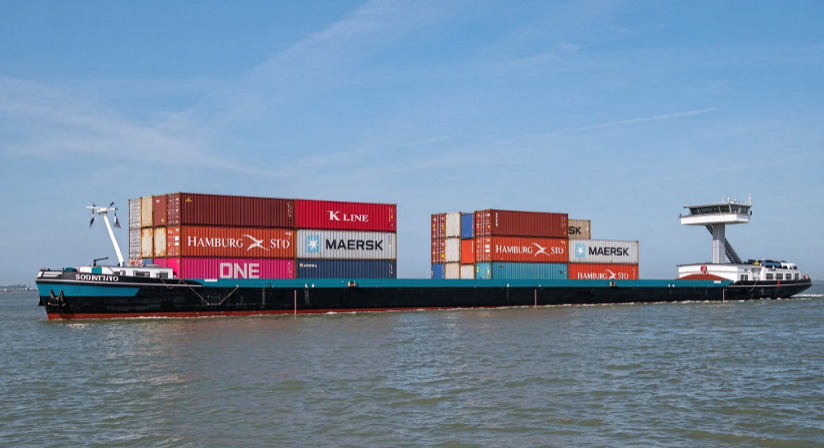
Amidst global tariff shifts in 2026, calculating the precise total landed cost is of critical importance. The total landed cost for steel products generally consists of the following components:
| No. | Cost Item | Specific Content |
| 1 | Product Procurement Price | Ex-works price, purchase price of steel, and applicable procurement surcharges. |
| 2 | Domestic Transport & Consolidation Costs | Road/rail transport from the factory to the export port, and cargo consolidation fees. |
| 3 | International Transport Costs | Ocean freight, Bunker Adjustment Factor (BAF), Peak Season Surcharge (PSS), and other applicable surcharges. |
| 4 | Cargo Insurance Costs | Marine cargo insurance, additional risk coverage, and other transport insurance fees. |
| 5 | Port Operations Costs (Origin & Destination) | Loading/unloading fees, Terminal Handling Charges (THC), warehousing fees, storage fees, etc. |
| 6 | Customs Duties | Import tariffs and other applicable customs taxes and fees. |
| 7 | Import Taxes | Import VAT, GST, etc., depending on the specific tax regime of the importing country. |
| 8 | Customs Clearance & Compliance Document Fees | Customs declaration fees, customs brokerage fees, inspection fees, certification fees, documentation fees, etc. |
| 9 | Currency Conversion & Exchange Rate Losses | Exchange rate differences, bank charges, and cross-border payment fees. |
| 10 | Cargo Damage & Quality Losses | Rust, deformation, scratches, packaging damage, and the resulting economic losses. |
It should be noted that the specific cost items and the parties responsible for them depend on the trade terms (Incoterms), shipping arrangements, and contractual provisions agreed upon by both sides. For instance, quotations under FOB, CFR, and CIF terms cover different sets of costs; therefore, when calculating total expenses, care must be taken to avoid double-counting costs that are already included in the quoted price.
Beyond understanding the basic components of total landed cost, international buyers must also be familiar with the three primary modes of sea freight: Less than Container Load (LCL), Full Container Load (FCL), and breakbulk shipping. These modes differ significantly in terms of loading methods, billing structures, and the volume of cargo they are suited for; choosing the wrong one can lead to unnecessary extra expenses rather than cost savings.
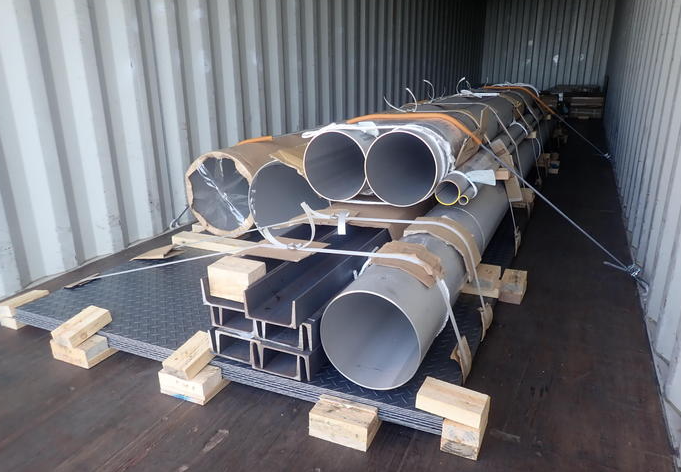
Less than Container Load (LCL):
This involves consolidating shipments from multiple owners into a single container. Charges are based on the actual volume (in cubic meters, or CBM) or weight occupied by the cargo, with shipments accepted starting from as little as one cubic meter. This mode is ideal for small, frequent shipments of general cargo and is the preferred choice for businesses with limited budgets.
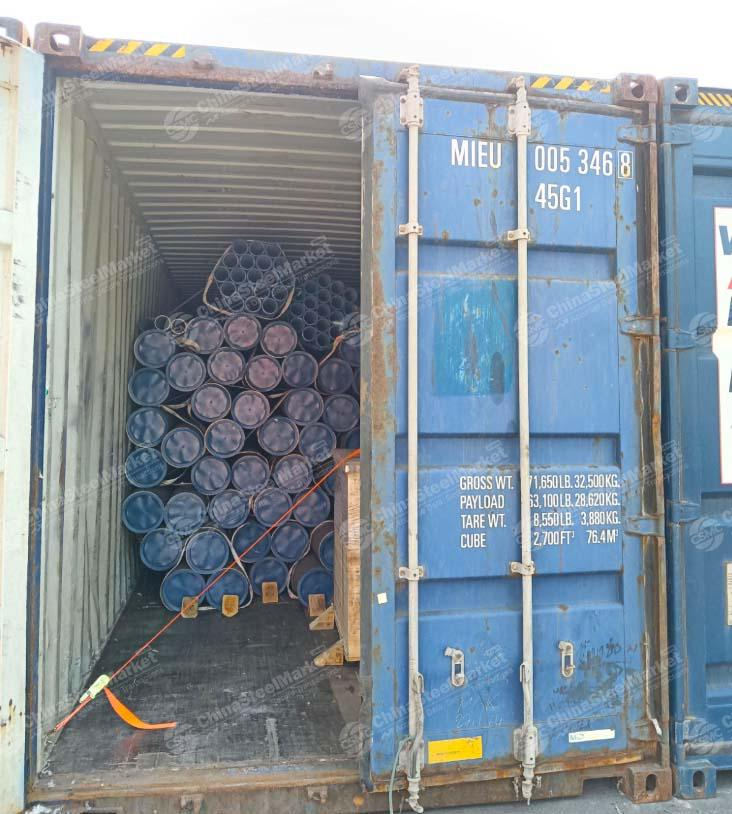
Full Container Load (FCL):
A single shipper reserves an entire shipping container either a 20-foot or 40-foot unit, and is charged a flat, all-in rate for the container. This option is suitable for large shipments (typically exceeding 15 cubic meters) or cases where high standards of cargo security are required.
Break-bulk shipping:
Cargo is loaded directly into the ship’s hold or onto its deck, without the use of shipping containers. Unlike containerized shipping, where costs are calculated based on the "container", break-bulk shipping is charged by weight (metric tons), volume (cubic meters), or the number of individual pieces. Additionally, there are significant handling fees for services such as heavy-lift operations, securing/lashing, and storage. This method is generally suitable only for oversized or overweight items, typically those exceeding 5 tons in weight or 12 meters in length, that cannot be containerized; for standard cargo, using a break-bulk vessel is neither cost-effective nor necessary.
Total landed cost is not merely the sum of the "FOB unit price" and "ocean freight"; rather, it encompasses the aggregate of all explicit expenditures and implicit risks incurred from the time goods leave the factory until they are finally placed into storage. The standard formula for its calculation is:
Total Landed Cost = Steel Procurement Cost + Pre-export Expenses + International Freight + Insurance Premiums + Port-of-Destination Charges + Import Duties and Taxes + Customs Clearance Fees + Inland Transportation Costs (at destination)
It should be noted that this formula does not account for implicit costs, such as weight loss resulting from a failure to weigh the cargo, rework costs due to damage caused by improper lashing, or customs penalties arising from documentation errors.
4.4 How to Optimize the Total Landed Cost of Steel Imports
For overseas buyers, reducing the total landed cost depends not only on securing more competitive steel prices but also on optimizing the entire process from procurement mix and transport arrangements to port operations.
4.4.1. Consolidate Procurement Requirements for Diverse Product Types
Based on specific project needs, consolidate various shapes and specifications of steel products to minimize fragmented, small-scale shipments (e.g., converting multiple Less-than-Container Load (LCL) shipments into a single Full Container Load (FCL) shipment). However, it is essential to ensure that the dimensions, weights, and transport requirements of the products are compatible for mixed loading.
4.4.2. Select the Appropriate International Transport Method
Choose the most suitable transport method—such as standard containers, open-top containers, flat-rack containers, or break-bulk (loose cargo) shipping—based on the length, weight, dimensions, and loading requirements of the steel products. This prevents unnecessary additional costs resulting from an ill-suited transport method.
Practical Implementation:
For heavy cargo (such as steel coils or wire rods), prioritize the use of 20GP containers to avoid the wasted space associated with 40-foot containers.
For extra-long or extra-wide items (e.g., materials exceeding 12 meters in length or wide plates), calculate the costs of using Open Top or Flat Rack containers in advance to avoid substantial "Out-of-Gauge" (OOG) surcharges at the port.
For large volumes of a single product type, consider using a breakbulk vessel to reduce the ocean freight cost per ton.
4.4.3. Verify Import Policies of the Destination Country in Advance
Before procurement, confirm the product's HS code, applicable import tariffs, anti-dumping duties, and other relevant trade measures to prevent unexpected costs or customs clearance obstacles upon arrival at the destination port.
An incorrect HS code classification or the triggering of an anti-dumping investigation can lead not only to heavy tax arrears but also to the indefinite detention of an entire container at the destination port, along with significant inspection fees.
4.4.4. Conduct a Comprehensive Comparison of Supplier Quotations
When comparing prices, ensure that trade terms, product specifications, quality standards, delivery locations, and shipping conditions are aligned so that the quotations are truly comparable.
Trade terms (most commonly: FOB, CIF, or DAP);
Measurement methods (theoretical weight vs. actual weighed weight—be wary of "negative tolerance" discrepancies);
Quality standards (whether the quote includes MTC/EN 10204 3.2 certification and third-party testing fees);
Packaging and securing requirements (whether items like VCI anti-rust film and wooden pallets are fully included).
Only by breaking down and aligning all these hidden factors can you determine the true base procurement cost.
| Incoterm | Ocean Freight Control | Cost Transparency | Suitable Scenarios |
| FOB | Buyer controls freight and carrier selection | High (FOB typically yields 8% to 12% ocean freight cost savings) | Importers with reliable freight forwarders and logistics experience |
| CIF | Seller arranges ocean freight and includes it in the quote | Low (Seller embeds profit margins in the freight) | First-time importers or complex destination logistics |
| DAP/DDP | End-to-end control by the seller | Lowest | Buyers prioritizing convenience and willing to pay for certainty |
4.4.5. Proactive Planning for Customs Clearance and Cargo Pickup at the Port of Destination
Carefully coordinate customs clearance documentation, port operations, and inland transportation to minimize unnecessary storage fees, container demurrage, and other costs associated with delays.
Steel products are heavy, which often leads to slower unloading and devanning (unloading from containers) at the destination port a common cause of exceeding allotted timeframes. It is advisable to negotiate for an extended "free time" period (free storage/demurrage) when booking space, or to consider moving the cargo into a bonded warehouse in advance to avoid exorbitant penalty charges.
Optimizing the total landed cost of steel imports goes beyond simply securing a good purchase price; it is a systematic undertaking that encompasses the entire supply chain. Every aspect from the physical characteristics of the steel to the various variables within the transaction chain, subtly reshapes the distribution of costs and risks. Many buyers attempt to cut costs through aggressive price negotiations, only to end up paying a much higher price due to cargo damage, delays, or customs penalties. Only by accounting for these factors can you truly grasp the profit dynamics of steel trading. We hope this analysis proves useful for your procurement efforts. CSMC will continue to monitor developments in ocean freight and provide timely updates.
We sincerely hope that the information we provide can make more beneficial value. In addition, we sincerely invite you to leave valuable comments and advice on our website. We will follow up on your comments and advice at any time on our website.
CSMC - Empowering small and medium-scale steel purchasing.
Editor: Hana Kyra
Mail: cs@chinasteelmarket.com




|

|

|

|

|
| Timely Info | Independent | Platform | Multiple guarantees | Self-operated storage |
China Steel Market
Empowering small and medium-scale steel purchasing
| About us | Channel | Useful tools |
|---|---|---|
| About China Steel Market | Prices | Steel Weight Calculation |
| Contact Us | Answers | Why Choose Us |
| Terms & Conditions | Inventory | Avoiding Trade Fraud Guide |
| Privacy Policy | Help |
Hot search words:
China Rebar prices China Wire Rod Prices Welded Steel Pipe Prices



